
How to Create Engaging Product Visuals and Brand Characters With AI
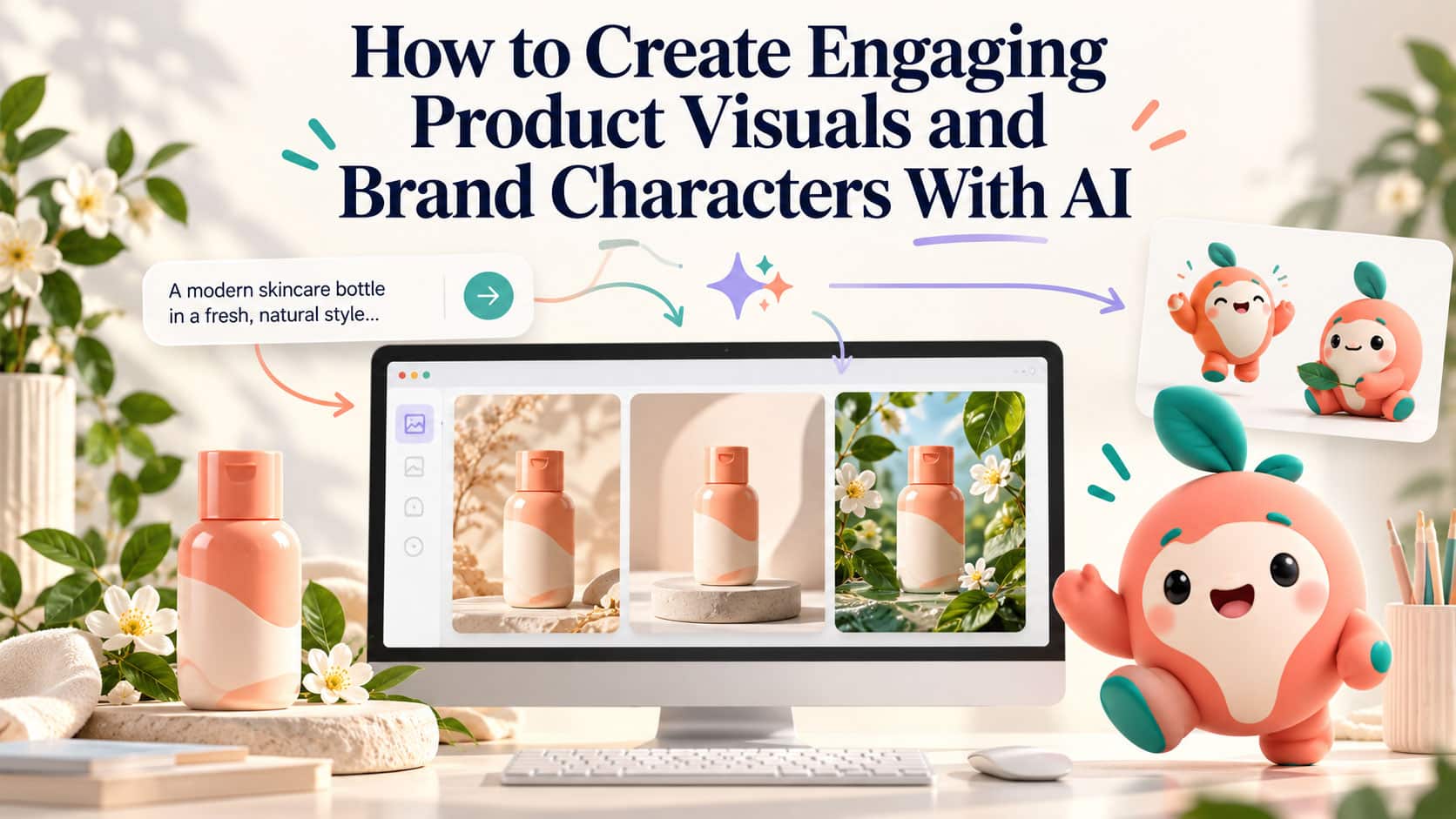
In online shopping, customers often make their first impression of a product through its images. Whether a business sells clothing, beauty products, electronics, or handmade goods, high-quality visuals can help communicate product features and attract attention.
However, producing professional product photography, promotional graphics, and branded illustrations can require significant time and resources. Businesses must consider backgrounds, lighting, composition, creative direction, and the consistency of their visual identity.
AI-powered design tools offer an alternative approach. They allow marketers, entrepreneurs, and content creators to explore product concepts, develop visual assets, and experiment with different creative directions before committing to a final design.
Why Are Visuals So Important for Online Businesses?
Customers cannot physically examine products when shopping online. They rely on images, descriptions, demonstrations, and other visual information to understand what a product looks like and how it might fit their needs.
Effective product visuals can communicate details that written descriptions alone may not convey. A skincare brand might use clean backgrounds and close-up compositions to highlight packaging, while a clothing business could experiment with different lifestyle settings to present its products.
Visual consistency is equally important. When product images, advertisements, social media graphics, and website banners follow a recognizable style, customers can more easily associate those materials with the same brand.
This is where AI-assisted creative workflows can help businesses explore new ideas and develop visual content more efficiently.
How an AI Image Generator Can Improve Product Design
An AI image generator can turn written descriptions and, where supported, reference images into visual concepts. For businesses, this creates opportunities to experiment with creative directions without producing a separate photoshoot for every early-stage idea.
For example, an online furniture store might want to explore how a chair could be presented in a minimalist living room, a contemporary office, or a warm, natural interior. AI-generated concepts can help the marketing team compare these visual directions before deciding which approach to develop further.
The same process can support promotional graphics, campaign mood boards, seasonal concepts, and early product mockups.
Explore Multiple Creative Directions
Instead of settling on the first design, create variations with different backgrounds, lighting, compositions, and color palettes.
A coffee brand, for instance, could explore a bright morning kitchen scene, a dark premium product setup, or an outdoor lifestyle composition. Comparing these alternatives can help the team identify which creative direction best reflects its positioning.
Develop Campaign Concepts Before Production
AI-generated visuals can serve as early references for designers, photographers, and marketing teams. They help communicate the intended mood and composition before resources are committed to producing final assets.
Generated concepts should still be checked carefully, especially when they depict a real product. AI may alter labels, packaging details, logos, proportions, or physical features, so final commercial imagery should accurately represent the product being sold.
How AI Character Design Can Strengthen Brand Identity
Product images communicate what a business sells, but a recognizable character can help communicate its personality.
An AI character generator can help businesses explore illustrated mascots, fictional brand representatives, campaign characters, and other visual identities. These characters may appear in social media posts, educational content, promotional campaigns, or website illustrations.
For example, a company selling educational products might develop a friendly illustrated guide that appears in tutorials and learning materials. A gaming accessories brand could explore a futuristic mascot that reflects its audience and product category.
The goal is to create a character that supports the brand’s message rather than simply adding decoration.
Define the Character’s Role
Before generating a mascot, decide what it should communicate. Is it meant to make a brand feel approachable, explain complicated information, entertain an audience, or reinforce a particular product theme?
A clear purpose makes it easier to choose the character’s appearance, expressions, clothing, and overall style.
Maintain a Recognizable Design
Document the character’s defining features, including its color palette, facial characteristics, outfit, and signature accessories. Reuse these details when creating additional campaign visuals.
If the selected tool supports reference images or character-consistency features, these can help guide subsequent generations. Review each output because visual details may still change between versions.
Connect the Character to the Product
A mascot works best when it has a meaningful relationship with the business. A fictional gardening assistant, for example, could appear in plant-care tutorials, seasonal campaigns, and product guides for gardening supplies.
This gives the character a consistent purpose and helps audiences understand why it appears in the content.
Practical Ways to Use AI-Generated Visuals in E-Commerce
AI-assisted design can support several stages of an online business’s creative workflow.
Product Listing Concepts
Retailers can explore possible backgrounds, compositions, and visual styles for product listings. These concepts can help establish a consistent creative direction before final product images are prepared.
For actual product listings, ensure the published images accurately reflect the product, including its color, dimensions, materials, and included accessories.
Social Media Advertising
Marketing teams can use generated concepts to brainstorm advertisements for different audiences and campaign themes. A single product might be presented through lifestyle imagery, a minimalist composition, or a seasonal creative concept.
Testing different approaches can help teams determine which visuals deserve further development. Performance should be measured using actual campaign results rather than assumptions about which design will work best.
Seasonal Campaigns
Businesses frequently need new visuals for holidays, product launches, special offers, and seasonal promotions. AI-generated concepts can help teams explore themes and compositions without reinventing the entire creative direction for every campaign.
Existing brand colors, typography, and design guidelines should remain consistent throughout these variations.
Educational and Promotional Content
A branded character can help explain product features, demonstrate workflows, or guide customers through common questions. This is especially useful for businesses whose products require instructions or have several features worth explaining.
The character becomes a recurring visual element that connects otherwise separate pieces of content.
How to Build an Efficient AI Visual Production Workflow
Generating images is only one part of the process. A repeatable workflow helps businesses maintain quality while producing content for multiple channels.
Step 1: Establish the objective. Decide whether the asset is intended to sell a product, explain a feature, introduce a brand, or support an advertising campaign.
Step 2: Create a visual brief. Specify the subject, composition, setting, lighting, colors, and intended audience.
Step 3: Generate initial concepts. Use suitable AI tools to explore several creative directions and compare the results against the brief.
Step 4: Refine the strongest option. Adjust individual elements while preserving the characteristics that make the design effective.
Step 5: Review accuracy and quality. Check product details, text, logos, character features, and other elements that need to remain precise.
Step 6: Adapt assets for each channel. Prepare appropriate layouts for websites, online marketplaces, email campaigns, and social media platforms.
Step 7: Measure performance. Review engagement, conversions, and other relevant business metrics to understand which creative approaches are most effective.
Common Challenges Businesses Should Consider
AI-generated visuals can speed up concept development, but they are not automatically ready for publication.
Product accuracy is particularly important. A generated image might make packaging look attractive while introducing details that do not exist on the actual item. Businesses should verify all product-related claims and avoid presenting illustrative concepts as photographs of real products.
Brand consistency also requires attention. Different generations may introduce unexpected colors, typography, or character features that conflict with existing guidelines.
Finally, businesses should review the applicable usage terms and consider intellectual property risks before using generated assets commercially. Human review remains important for quality control, originality, and accurate representation.
Final Thoughts
Creating compelling product visuals and a recognizable brand identity does not always require beginning with a blank canvas. AI-powered creative tools can help businesses explore visual concepts, experiment with campaign ideas, and develop reusable assets for their marketing workflows.
An AI image generator can support product concepts, promotional graphics, and visual experimentation, while an AI character generator can help businesses develop distinctive mascots and illustrated brand personalities.
The best results come from combining AI-assisted exploration with a clear creative brief, consistent brand guidelines, careful review, and real-world performance testing. This approach helps businesses produce visuals that are not only appealing but also relevant to their products, customers, and marketing goals.
