
Building a Resilient Brand Identity From Web Design to Social Media

In the modern digital economy, a brand is judged long before a customer ever speaks to a sales representative or adds an item to their online cart. Research consistently shows that a user’s first impression is strongly influenced by a brand’s web design and is formed almost instantly. The shift towards a digital-first economy means that a physical storefront no longer dictates market dominance. A modern digital identity requires much more than an attractive homepage or a clever logo. It demands a highly integrated strategy that bridges the gap between static web elements and dynamic, real-time social platforms.
For Australian businesses, navigating this complex environment means recognising that brand identity is a living, breathing ecosystem. Building trust starts with the structural integrity of a well-designed website, but maintaining that trust requires constant vigilance across every digital channel where consumers interact, complain, and share their experiences.
The Foundation of Trust in Web Design and Search Optimisation
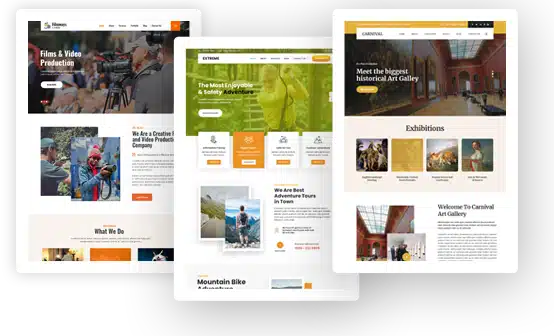
Before a company can protect its digital footprint, it must first establish a credible one. Many consumers judge a company’s trustworthiness based on the visual aesthetics and functionality of its website. If a site looks outdated or is difficult to navigate, potential clients may assume the business itself is disorganised or unprofessional. First impressions are difficult to reverse, making web design an essential component of reputation building.
Performance is just as critical as visual appeal. Slow-loading websites often frustrate visitors and increase the likelihood that they will leave before engaging with the business. Likewise, a poor user experience or confusing navigation can discourage customers from returning. This lack of structural reliability undermines consumer confidence from the very first interaction.
To counter these initial hurdles, businesses must combine excellent user experience with robust search engine visibility. When a company produces quality content and optimises its page structure, it becomes much easier to increase your business branding through SEO. Establishing a highly visible, user-friendly website serves as the bedrock of consumer trust, ensuring that a brand’s primary digital asset accurately reflects its professional values and corporate competence.
Transitioning from Static Sites to Dynamic Social Ecosystems
Once a strong web foundation is established, businesses face a more complex challenge. A website is a highly controlled environment, but the broader digital landscape is entirely dynamic. Customers now take their grievances, questions, and opinions directly to public forums, requiring brands to fiercely defend the image they worked so hard to build.
Consumer trust has become increasingly difficult to maintain, reinforcing the importance of proactively monitoring a company’s online reputation rather than reacting only after problems arise. High-profile cybersecurity incidents involving major organisations demonstrate how quickly operational or technical issues can escalate into widespread public relations challenges across multiple digital platforms.
Because modern consumers demand immediate accountability, safeguarding a digital footprint requires dedicated resources and strategic planning. This is why investing in professional social media and reputation management has become a fundamental operational requirement for modern enterprises. By actively monitoring public sentiment and engaging with audiences in real time, companies can mitigate risks and resolve conflicts before they escalate into viral controversies that threaten to dismantle their core brand identity.
The Quantifiable Cost of an Unmonitored Digital Crisis
Failing to connect a strong web presence with active community monitoring can lead to serious business consequences. As a result, organisations are increasingly investing in AI-powered tools and technologies that help detect emerging risks and support faster responses to potential reputation issues.
The financial impact of unmanaged online reputation can be substantial. Negative reviews and unresolved public criticism can reduce customer confidence and damage long-term brand perception. Many business crises now originate on social platforms, making active monitoring and engagement an essential part of protecting a company’s digital presence.
This vulnerability is compounded by the growing frequency of cyber threats. Australian cybersecurity authorities continue to report high levels of online criminal activity affecting businesses of all sizes. When a breach or service outage occurs, a brand’s ability to communicate quickly and transparently across its digital channels plays a crucial role in maintaining customer trust.
Proactive Strategies for Modern Brand Protection
Building a resilient brand identity means preparing for worst-case scenarios while actively nurturing positive customer relationships. To effectively bridge the gap between initial web design trust and long-term social media credibility, businesses should adopt several proactive strategies:
- Implement Real-Time Social Listening: Successful crisis management relies on detecting negative sentiment spikes early. By utilising social listening tools, brands can identify and address minor customer complaints before they gain traction and go viral on social networks.
- Streamline Customer Service Touchpoints: Customers expect a consistent experience regardless of which department or communication channel they use. They also value efficient issue resolution with as little unnecessary complexity as possible. Overly complicated complaint-handling processes can quickly erode trust.
- Maintain Strict Review Authenticity: The Australian Competition and Consumer Commission (ACCC) has made misleading online reviews and deceptive digital marketing practices an important enforcement priority. Businesses should ensure that customer feedback is genuine, transparent, and compliant with applicable consumer protection laws.
- Adhere to Consumer Law Compliance: Offering non-transparent incentives in exchange for positive reviews may breach Australian Consumer Law (ACL). Recent regulatory reforms have strengthened penalties for misleading business practices, making authenticity and legal compliance essential aspects of every digital marketing strategy.
Securing the Long-Term Digital Identity
A resilient brand identity is never built in isolation. It begins with the technical performance, visual aesthetics, and search visibility of a well-crafted website. However, that static foundation must be fiercely protected through active online engagement and transparent, consistent communication.
By recognising how quickly consumers form opinions and understanding the risks associated with public relations failures, Australian businesses can take a more holistic approach to their digital presence. When companies treat web design, search optimisation, and community management as interconnected pillars of a single brand identity, they create a stronger and more resilient digital presence.
