
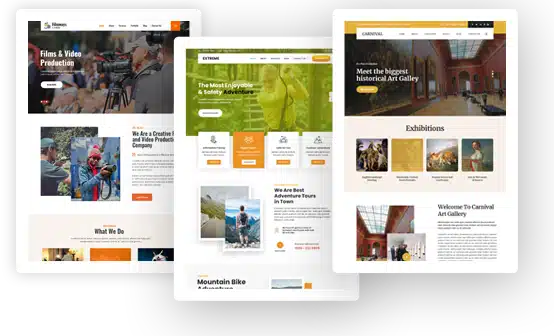
Veo 3.1 API for Small Business Websites, Landing Pages, and Promo Content
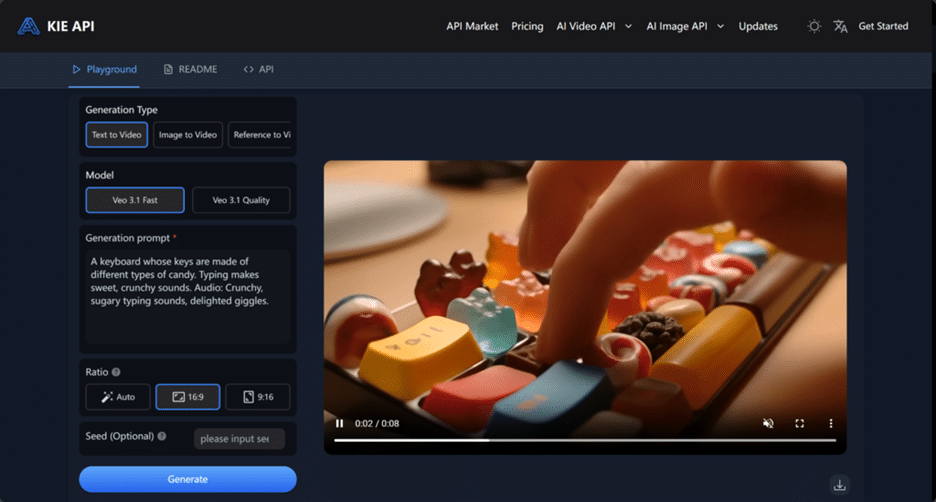
Small business websites face more pressure than they used to. Homepages are expected to explain a brand quickly, landing pages need to hold attention longer, and promo content has to do more than simply look polished. Visitors arrive with shorter attention spans, more choices, and higher expectations for how clearly a business can present its offer. Static sections still have their place, but they often struggle to carry the full weight of modern web communication on their own.
That shift helps explain why Veo 3.1 API matters for developers and workflow teams supporting small business websites. Value does not come from adding motion for its own sake. Real value appears when website content becomes easier to shape into something more immediate, more expressive, and more useful across landing pages, homepage sections, and promotional assets.
Small Business Websites Need More Than Static Presence
Many smaller businesses once relied on a familiar formula: a hero image, a short introduction, a list of services, and a contact form. That structure still works at a basic level, but it no longer gives every business enough room to stand out. Visitors often decide very quickly whether a page feels active, relevant, and worth exploring further.
Website Visitors Expect Faster Understanding
People do not always read a page from top to bottom. They scan, compare, and decide within seconds whether the offer feels clear enough to keep going.
Landing Pages Now Carry More of the Conversion Story
For many businesses, landing pages do not simply support campaigns. They often act as the first serious touchpoint between a visitor and the offer itself.
Veo 3.1 API Fits the Point Where Website Content Needs More Visual Energy
Web content becomes more effective when a page can show, not just describe. Service highlights, product value, brand mood, use cases, and campaign messages often become easier to understand when visuals create a stronger entry point. That is where Gemini Veo 3.1 API becomes useful in practical workflow terms.
Veo 3.1 API Helps Small Teams Turn Ideas Into More Engaging Web Content
Small teams often know what they want a page to communicate, yet struggle to make that communication feel vivid enough. More dynamic visual output can close that gap.
Google Veo 3.1 API Supports Faster Visual Drafting for Website Campaigns
Campaign pages, promo pages, and temporary landing experiences often need content fast enough to match launch timing. Faster drafting matters there more than abstract capability claims.
Landing Pages Get Stronger When Visual Storytelling Starts Earlier
A landing page works best when visitors understand the offer before they have to work for it. That does not mean every page needs long-form motion, but it does mean stronger entry visuals can help shorten the path between curiosity and clarity.
Promo Content Works Better When the Offer Becomes Clear Faster
Visitors respond more easily when value appears early. Pages that take too long to establish context often lose attention before their strongest point arrives.
Veo 3.1 Fast API Helps Teams Build More Immediate Entry Points
Faster visual production makes it easier for teams to test sharper page intros, campaign-led visuals, and more engaging promo content without slowing the entire publishing cycle.
One Video Direction Can Support More Than One Business Need
Small business teams rarely have the luxury of building new content from scratch for every channel. Stronger workflows create more value when one visual direction can stretch across multiple uses instead of staying trapped in one page or one campaign.
Homepage Sections, Landing Pages, and Promo Assets Can Share the Same Core Direction
A clear visual idea can support a homepage banner, a product page section, a campaign landing page, and promotional content across other channels with only limited adaptation.
Veo 3 API Works Better When Content Travels Across Channels
Website content does not live alone. Businesses often reuse the same materials in ads, social promotion, email campaigns, and launch messaging. That makes workflow flexibility more valuable than isolated output.
Website Promotion and Website Design Are No Longer Separate Decisions
Design used to be treated mainly as layout, typography, and visual consistency. Now content movement matters too. The way information enters the page, carries mood, and builds momentum has become part of what makes a website feel current.
Better Website Design Depends on Better Content Flow
A polished theme helps, but strong themes work best when the content inside them also feels active, intentional, and easier to absorb.
Gemini Veo 3.1 API Comparisons Usually Come Down to Workflow Fit
For many teams, comparison does not end at raw output quality. Fit matters more: how well the workflow supports publishing speed, website content planning, and small-team execution.
Setup Readiness Still Shapes Adoption
Even strong visual potential can fail to matter if implementation feels too difficult. Small agencies, creators, and website teams often need something that can fit existing publishing habits rather than force an entirely new process.
Veo 3.1 API Key Access Affects How Quickly Teams Can Start
Access friction can slow momentum early. Faster setup usually means faster testing, faster page improvements, and a shorter path from idea to usable content.
Veo API Works Best When It Fits an Existing Publishing Workflow
Most small teams benefit more when video content becomes part of their current website update process instead of creating a disconnected production lane they cannot maintain.
Veo 3.1 API in Small Business Website Content Workflows
The most useful way to understand Veo 3.1 API is not as a technical add-on, but as a workflow layer for making websites communicate better. For developers and workflow teams, that means turning homepage sections, landing pages, and promo content into clearer, more engaging experiences without making production heavier than a small team can sustain. Small business websites do not just need more content now. They need content that explains faster, holds attention better, and gives visitors a stronger reason to keep going.
