


Top Web Development Technologies Every Developer Should Learn in 2026
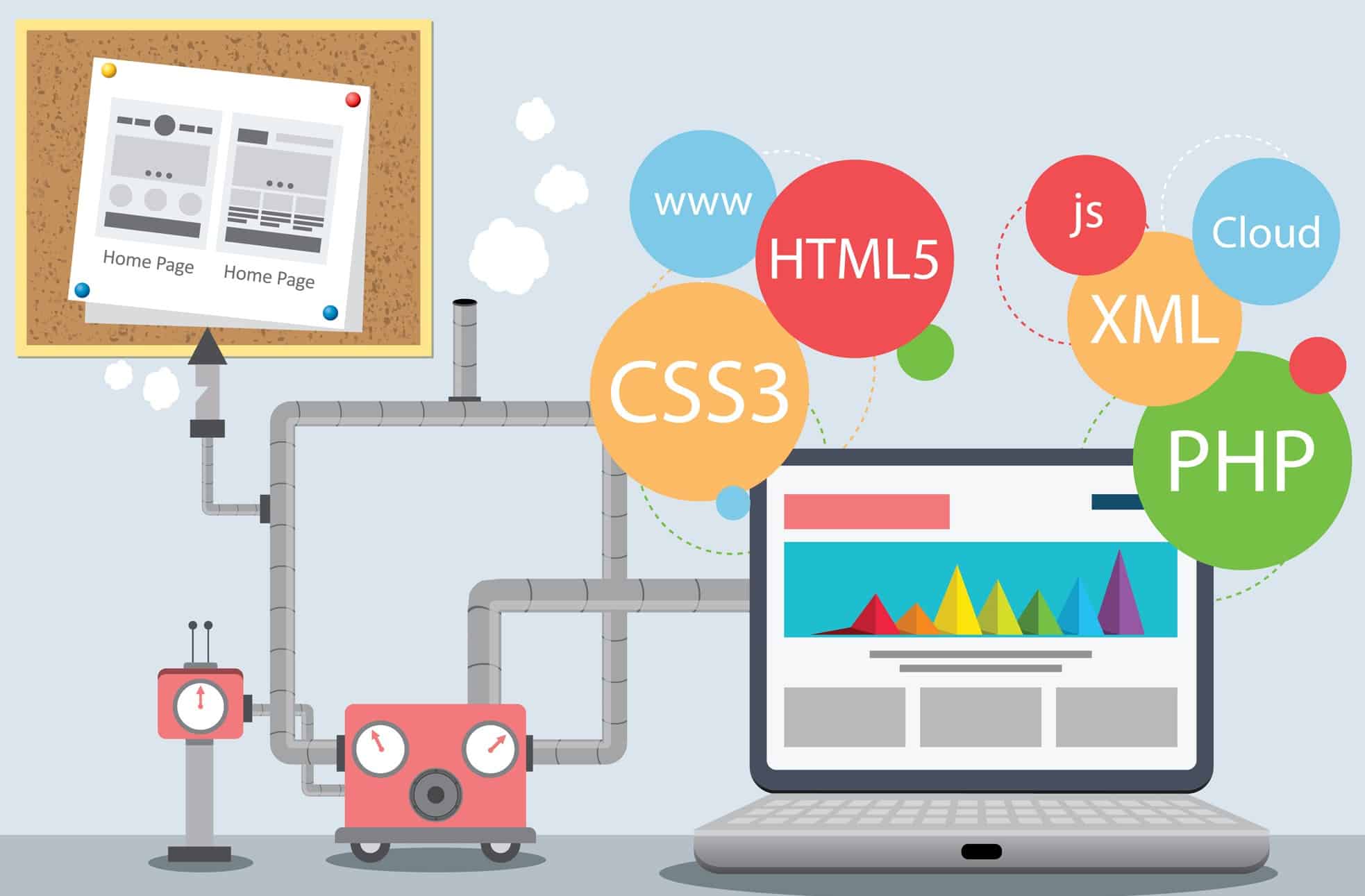
Web development is growing faster than ever. Every year, new tools and technologies make it easier to build fast, responsive, and user-friendly websites. Whether you are a beginner or someone looking to upgrade your skills, understanding modern web development technologies is very important in 2026.
In this article, we will explore the top technologies every developer should learn, explained in a simple and easy-to-understand way.
1. HTML, CSS, and JavaScript – The Foundation
Every website you see on the internet is built using three core technologies:
- HTML (HyperText Markup Language): It creates the structure of a website
- CSS (Cascading Style Sheets): It controls the design, colors, and layout
- JavaScript: It adds interactivity like buttons, animations, and dynamic content
Even in 2026, these three remain the backbone of web development. No matter which advanced tools you use, you must have a strong understanding of these basics.
2. Frontend Frameworks – Building Fast and Modern UI
Frontend frameworks help developers create beautiful and responsive user interfaces quickly.
Some popular options include:
- React.js: One of the most widely used libraries for building user interfaces
- Vue.js: Simple and beginner-friendly
- Angular: A powerful framework used for large applications
These frameworks save time and make your code more organized. They are essential for building modern websites like dashboards, e-commerce stores, and social media platforms.
3. Backend Technologies – Power Behind the Scenes
Frontend is what users see, but backend is what makes everything work.
Popular backend technologies include:
- Node.js: Allows developers to use JavaScript on the server
- Python (Django/Flask): Easy to learn and powerful
- PHP: Still widely used for websites like WordPress
Backend handles data, servers, authentication, and everything happening behind the scenes.
4. Databases – Managing Data Efficiently
Every website stores data such as user information, products, or content.
Common databases include:
- MongoDB: NoSQL database, flexible and modern
- MySQL: Traditional relational database
- PostgreSQL: Advanced and reliable
Learning how to store and retrieve data efficiently is a must-have skill for developers.
5. Cloud Computing and Deployment
In 2026, most websites are hosted on cloud platforms instead of traditional servers.
Popular cloud platforms:
- AWS (Amazon Web Services)
- Google Cloud
- Vercel and Netlify (great for frontend projects)
Cloud platforms help you deploy websites faster, scale easily, and manage traffic without issues.
6. Progressive Web Apps (PWAs)
PWAs are websites that behave like mobile apps. They load fast, work offline, and provide a smooth user experience.
Benefits of PWAs:
- Faster loading speed
- Better performance
- No need to download from app stores
Many businesses prefer PWAs because they are cost-effective and user-friendly.
7. AI in Web Development
Artificial Intelligence is changing how websites are built.
Developers now use AI tools for:
- Writing code faster
- Fixing bugs
- Designing layouts automatically
AI improves productivity and helps developers focus on creativity rather than repetitive tasks.
8. Developer Tools and Productivity
To work efficiently, developers use various tools such as:
- VS Code: A popular code editor
- Git & GitHub: For version control and collaboration
- Docker: For creating consistent environments
Sometimes, developers also use advanced setups like a remote desktop for gaming to access high-performance systems for testing heavy web applications, simulations, or graphics-intensive projects without needing powerful hardware locally.
9. Web Security Technologies
Security is very important in web development. Users trust websites with their personal data, so protecting that data is essential.
Key security practices:
- HTTPS encryption
- Secure authentication (OAuth, JWT)
- Protection against attacks like SQL injection
Learning security basics helps you build safe and trustworthy websites.
10. Full Stack Development
Full stack developers can work on both frontend and backend.
Popular stacks include:
- MERN Stack: MongoDB, Express, React, Node.js
- MEAN Stack: MongoDB, Express, Angular, Node.js
- JAMstack: JavaScript, APIs, Markup
Being a full stack developer increases your job opportunities and makes you more valuable in the industry.
Conclusion
Web development in 2026 is full of exciting opportunities. From basic technologies like HTML and JavaScript to advanced tools like AI and cloud computing, there is a lot to learn and explore.
If you are starting your journey, focus on the fundamentals first, then gradually move to frameworks, backend, and cloud technologies. Keep practicing, build real projects, and stay updated with new trends.
With the right skills and consistency, you can become a successful web developer and build powerful, modern websites that stand out in today’s competitive digital world.
