

The Role of AI Chatbots in Improving Patient Communication
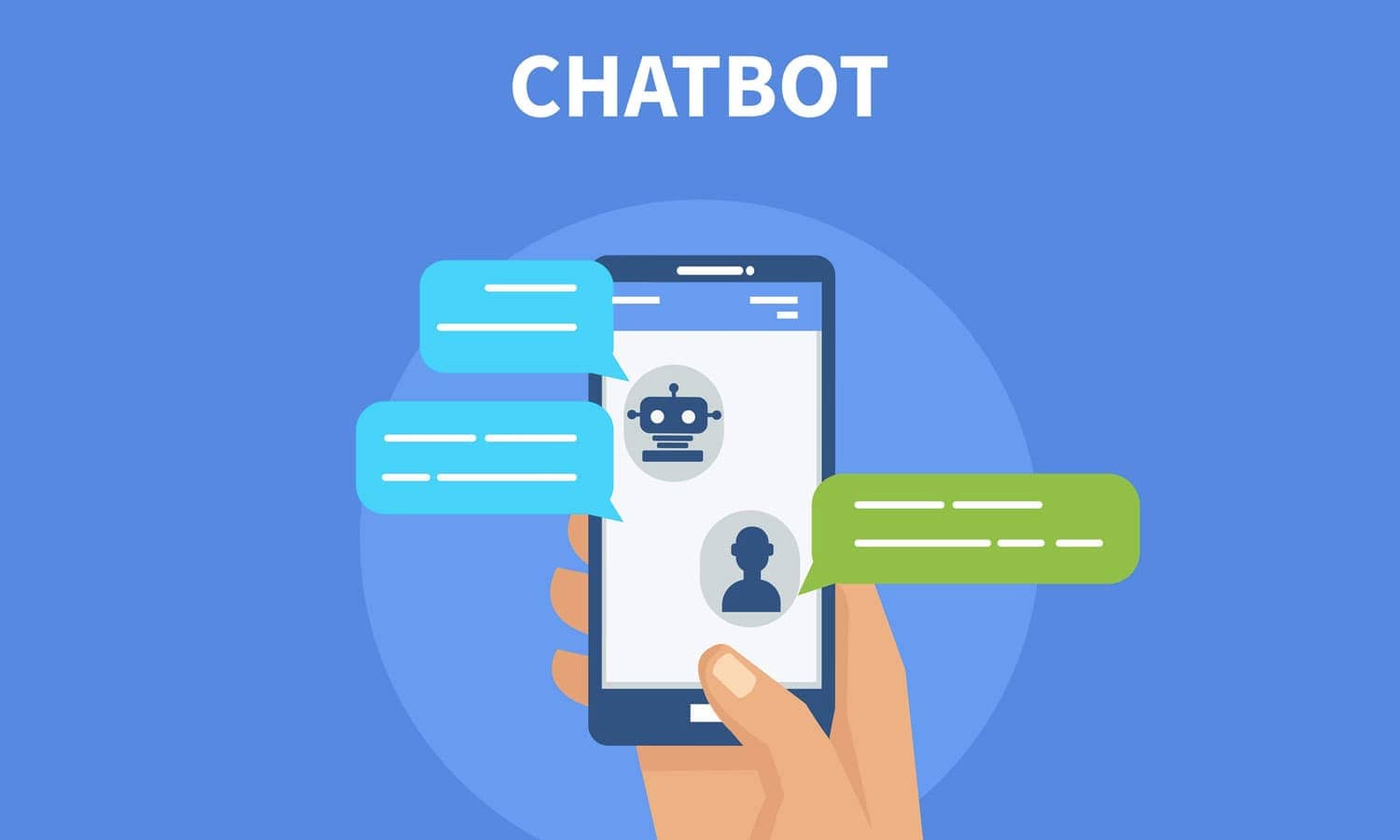
The role of AI chatbots in healthcare has shifted from a novelty to a communication necessity, as hospitals and clinics look for ways to reach patients faster and more consistently. Patients now expect instant answers, not hold music.
This blog examines how AI-powered conversational tools are reshaping patient communication across scheduling, education, follow-up care, and administrative workflows, and what healthcare providers need to know before adopting them.
What Are AI Chatbots in Healthcare?
Healthcare AI chatbots are software applications that simulate conversation to handle patient-facing tasks answering questions, scheduling visits, or collecting intake information without requiring a live staff member. They range from simple rule-based scripts to advanced conversational AI models built on natural language processing. Deployed through websites, mobile apps, or messaging platforms, they extend a provider’s front desk beyond office hours.
Types of Healthcare AI Chatbots
Healthcare AI chatbots generally fall into three categories, each suited to different patient communication needs. Reviewing examples of the best healthcare chatbots highlights how far the technology has moved from static FAQ bots toward adaptive, context-aware assistants.
Rule-Based Chatbots
Rule-based chatbots follow predefined decision trees, offering canned responses to a fixed set of questions like office hours or insurance accepted. They are inexpensive to deploy and easy to maintain, making them a practical entry point for smaller practices. Their limitation is rigidity: any question outside the scripted flow returns a dead end, frustrating patients who expect more flexible interaction.
AI-Powered Conversational Chatbots
AI-powered conversational chatbots use natural language processing and machine learning to interpret intent rather than match keywords. They can handle open-ended questions, retain context within a session, and improve over time as they process more patient interactions. This makes them suited for symptom triage, medication questions, and other scenarios where phrasing varies widely between patients.
Voice-Enabled Healthcare Assistants
Voice-enabled healthcare assistants extend conversational AI to spoken interaction, useful for patients who prefer calling over typing, including older adults and those with limited mobility or vision. These assistants can confirm appointments, relay lab results, or route urgent calls to a nurse line, reducing wait times without adding phone staff.
Why Healthcare Providers Are Adopting AI Chatbots
Providers are adopting AI chatbots because patient volume keeps rising while staffing budgets stay flat. A well-built chatbot deployment absorbs repetitive front-desk work, appointment confirmations, insurance FAQs, and prescription refill requests freeing clinical staff for higher-value tasks. Investing in AI chatbot development for healthcare also signals a modern patient experience, which increasingly influences where patients choose to seek care.
The Role of AI Chatbots in Improving Patient Communication
-
Providing 24/7 Patient Support
Patients don’t limit their questions to business hours. A healthcare virtual assistant answers common queries symptom concerns, billing questions, and prescription status at 2 a.m. as reliably as at 2 p.m.
This constant availability reduces patient anxiety between visits and prevents minor concerns from escalating into emergency room visits simply because no one was reachable. -
Simplifying Appointment Scheduling and Management
Chatbots let patients book, reschedule, or cancel appointments through a chat window instead of a phone queue. They can check provider availability in real time, send automated reminders, and collect pre-visit paperwork.
Practices using chatbot-driven scheduling typically see fewer no-shows, since reminders and rebooking prompts arrive exactly when patients are most likely to act on them. -
Improving Patient Education
AI chatbots deliver condition-specific information, medication instructions, and pre- or post-procedure guidance in plain language, on demand. Instead of skimming a printed handout, patients can ask follow-up questions and get immediate clarification.
This conversational format improves comprehension and retention, particularly for patients managing chronic conditions who need information reinforced across multiple touchpoints. -
Supporting Symptom Assessment and Care Navigation
Symptom-checker chatbots ask structured follow-up questions to gauge urgency and direct patients to the right level of care — self-care advice, a telehealth visit, or the emergency room.
This triage function reduces unnecessary in-person visits while ensuring patients with serious symptoms aren’t advised to simply wait it out, striking a balance between access and appropriate caution. -
Enhancing Medication and Treatment Adherence
Missed doses and abandoned treatment plans are a persistent driver of poor outcomes. Chatbots send dosage reminders, check in on side effects, and flag when a patient reports skipping medication, giving care teams an early signal to intervene.
This ongoing nudge system works especially well for conditions requiring long-term adherence, such as diabetes or hypertension management. -
Automating Post-Visit Follow-Ups
After discharge or a procedure, chatbots can check in on recovery progress, answer common post-visit questions, and prompt patients to report warning signs early.
This structured follow-up catches complications sooner and reduces avoidable readmissions, while giving care teams a documented record of patient-reported recovery status without requiring a nurse to make every call personally. -
Reducing Administrative Burden
Every question a chatbot resolves is one less call routed to front-desk or clinical staff. Insurance verification, billing questions, and routine paperwork requests are prime candidates for automation.
This shift lets administrative teams focus on exceptions and complex cases rather than repetitive queries, improving both staff satisfaction and the speed of resolution for genuinely complicated issues. -
Supporting Multilingual Patient Communication
Language barriers contribute directly to missed appointments and medication errors. AI chatbots built with multilingual NLP models can communicate in a patient’s preferred language without requiring an on-call interpreter for every routine interaction, extending equitable access to non-English-speaking populations and reducing communication gaps that often go unaddressed in traditional front-desk workflows.
Key Features of an Effective Healthcare AI Chatbot
-
Natural Language Processing (NLP)
Natural language processing lets a chatbot interpret intent and medical terminology rather than matching rigid keywords. Effective NLP solutions for healthcare account for how patients actually phrase symptoms, including misspellings, slang, and incomplete sentences. Without strong NLP, a chatbot forces patients into unnatural phrasing just to get a useful answer, undermining the communication benefit it’s meant to provide.
-
EHR/EMR Integration
A chatbot disconnected from the patient record can only go so far it can’t confirm an appointment against a real calendar or recognize a documented allergy. EHR integration services connect the chatbot directly to clinical systems, enabling personalized responses, accurate scheduling, and safe medication guidance based on the patient’s actual history rather than generic scripted answers.
-
Secure Patient Authentication
Because chatbots often handle protected health information, verifying who’s on the other end of the conversation matters. Multi-factor authentication, patient portal login, or verified phone number matching prevent unauthorized access to sensitive details. Skipping this step isn’t just a compliance risk — it’s a direct threat to patient trust in the entire communication channel.
-
Voice and Text Communication
Patients don’t all prefer the same channel. Offering both voice and text ensures the chatbot reaches patients who favor typing on a portal and those who’d rather speak on the phone, particularly older patients or those less comfortable with app-based interfaces. Patients who prefer spoken interactions can also benefit from a TTS API , which converts chatbot responses into natural-sounding speech for more accessible voice communication. Supporting both channels through one backend keeps the experience consistent regardless of how patients choose to engage.
Challenges and Limitations of AI Chatbots in Healthcare
-
Patient Privacy and Data Security
Healthcare chatbots process sensitive health information, making them an attractive target and a compliance liability if mishandled. Encryption in transit and at rest, strict access controls, and clear data retention policies are non-negotiable. Providers deploying a chatbot without addressing these safeguards upfront risk regulatory penalties and, more importantly, a breach of patient trust.
-
Accuracy of AI Responses
An AI chatbot confidently delivering an incorrect medical answer is worse than no chatbot at all. Even well-trained conversational models can misinterpret ambiguous symptoms or generate plausible-sounding but wrong guidance. Continuous monitoring, response auditing, and clearly scoped use cases sticking to administrative and educational tasks rather than diagnosis keep accuracy risk contained.
-
Complex Medical Queries Requiring Human Intervention
Not every conversation belongs with a bot. Complex symptoms, emotionally sensitive topics, or ambiguous situations need a clear, fast path to a human a nurse line, a live chat handoff, or a callback request. Chatbots that trap patients in scripted loops during a genuine concern damage confidence in the entire communication system, not just that interaction.
-
Regulatory and Compliance Considerations
Healthcare chatbots operate under HIPAA in the US and comparable regulations elsewhere, covering consent, data handling, and audit trails. Compliance isn’t a one-time checklist it requires ongoing review as chatbot capabilities expand and regulations evolve. Providers should treat compliance as part of the chatbot’s operating requirements, not an add-on bolted on after deployment.
-
Patient Trust and Adoption
Some patients remain hesitant to discuss health concerns with a bot, regardless of its accuracy. Building trust takes transparency telling patients clearly when they’re talking to AI, what it can and can’t do, and how to reach a person. Gradual rollout, paired with visible human backup, helps patients get comfortable with the channel over time.
Best Practices for Implementing AI Chatbots in Healthcare
- Identify high-volume communication workflows: Start with the interactions consuming the most staff time scheduling and FAQs rather than the most technically impressive use case.
- Ensure seamless integration with existing healthcare systems: A chatbot disconnected from the EHR and scheduling software creates more friction than it removes.
- Maintain clear human escalation pathways: Every flow needs a visible, fast route to a live person for cases outside the bot’s scope.
- Regularly train and optimize chatbot responses: Review real conversation logs on a set schedule to catch confusing prompts and update responses accordingly.
- Monitor patient satisfaction and chatbot performance: Track resolution rates, escalation frequency, and patient feedback to catch degradation before it affects care.
The Future of AI Chatbots in Patient Communication
- Generative AI-powered healthcare assistants: Large language models are moving beyond scripted flows toward nuanced, open-ended patient conversations, a shift explored in emerging analysis on the future of AI chatbots.
- Voice-first patient interactions: As voice AI matures, more patients will speak to a chatbot the way they would a nurse triage line, rather than typing.
- Predictive and proactive patient engagement: Chatbots will increasingly reach out based on risk signals a missed refill, an overdue screening instead of waiting for the patient to initiate contact.
- Integration with remote patient monitoring and wearable devices: Data from wearables will feed directly into chatbot conversations, enabling more informed check-ins tied to real biometric trends.
- AI-driven personalized healthcare experiences: Combined with telehealth platform development, chatbots will tailor communication style, language, and content to each patient’s history and preferences rather than a one-size-fits-all script.
Conclusion
The role of AI chatbots in healthcare communication continues to expand as providers look for scalable ways to stay responsive to patients.
From round-the-clock support to multilingual access and post-visit follow-up, these tools address real gaps in traditional care coordination.
Success depends on thoughtful implementation clear escalation paths, strong data security, and honest limits on what the bot handles alone.
