
The Algorithmic Studio: An Objective Review of Photogenerator.ai
1. The Creative Mandate: Redefining Digital Artistry
Overcoming the Empty Canvas
The struggle of the empty canvas has haunted artists for centuries. Modern digital creators must produce high-volume visual assets at unprecedented speeds. This relentless pressure is exactly why web-native solutions are stepping in.
Democratizing Complex Workflows
The team behind photogenerator.ai built their platform to address this production bottleneck. The goal is to make complex rendering workflows accessible to non-technical designers. It lowers the cost of entry for creating highly stylized digital media.
Elevating the Standard
At its core, this software is more than a simple filter app. It functions as a flexible AI Photo Generator capable of generating complex stylistic layers. It helps bridge the gap between abstract human imagination and clean pixel outputs.
2. The Engine Bay: Core Capabilities of the Suite
A Cluster of Top-Tier Models
The platform does not lock you into a single proprietary engine. Instead, it acts as a unified hub that dynamically runs top-tier models like Flux, Kling, and Sora 2.0 Pro. This ensures that your visual style remains varied rather than repetitive.
Multi-Modal Workspace
The system offers dedicated suites for image, video, audio, and character generation. You can create a high-fidelity character, animate it, and generate a synchronized voiceover in one place. This unified structure eliminates the need to pay for multiple separate subscriptions.
Natural Language Translation
Users do not need to learn complex code or prompt syntaxes. The interface features an intelligent natural language system that expands simple inputs automatically. It lets you focus purely on the creative concept rather than technical prompt engineering.
3. The Canvas: Sculpting Art with Advanced Algorithms
Blending Styles and Eras
The platform excels specifically when used as an AI art photo generator. It allows users to blend classical oil painting aesthetics with modern cyberpunk digital styles. The neural networks analyze lighting, brushstrokes, and textures to output realistic textures.
Maintaining Style Consistency
A major issue with generative tools is the random nature of their outputs. This platform combats that problem with dedicated style transfer and element control features. Creators can lock in certain visual elements to build a cohesive art series.
High-Resolution Artifact Control
Generating artistic textures requires massive computational power. The platform’s upscaling algorithms refine edge details without washing out organic painting textures. This is a massive benefit for artists looking to print their digital creations on physical canvas.
Mimicking Complex Techniques
The tool precisely simulates classical artistic techniques like watercolor bleeding and heavy impasto strokes. It studies how natural light reflects off different paint textures to generate authentic-looking depths. This high attention to medium details sets it apart from standard filters.
4. The Roadmap: From Text Input to High-Fidelity Masterpiece
Starting the Engine
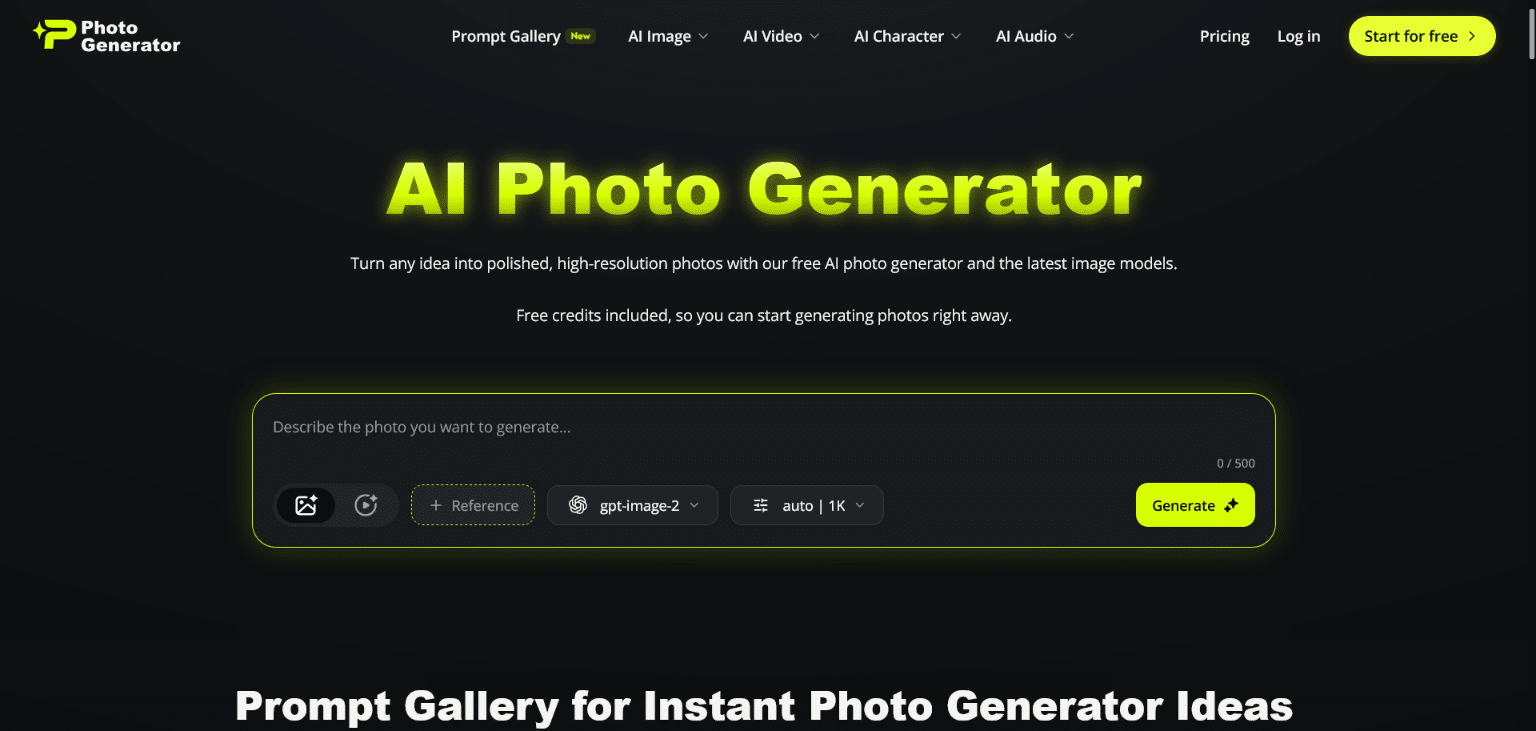
To initiate a project, you begin by logging into the clean cloud-based dashboard. If you do not have a reference image, you can start directly with text commands. The built-in AI Photo Generator quickly processes your description and offers several initial drafts.
Adding Style Layers
Once you have a baseline layout, you can apply style parameters. You can select specific lighting setups, artistic mediums, and camera angles. The system immediately adjusts the composition based on these parameters.
Generating the Final File
Finally, you run the upscale and refinement pass to clean up any visual noise. The entire generation process takes less than a minute on standard settings. Your finished high-resolution file is then ready for download or further multi-media animation.
5. The Double-Edged Sword: Strategic Strengths and System Limits
Unmatched Convenience
Having a unified workspace for images, video, and audio is incredibly convenient. The dynamic model routing ensures your images look highly polished without requiring manual fine-tuning. It represents a highly robust solution for rapid digital prototyping.
High Accessibility
The clean interface is highly accessible to beginners and non-technical staff. There is no complex installation required since the software runs entirely on the cloud. This makes it incredibly easy to integrate into remote work environments.
Limitations to Consider
However, the platform is not without its specific limitations. Because it relies heavily on automated prompts, advanced users might find the lack of manual layer controls frustrating. The dependency on cloud servers also means you must have a fast, stable internet connection to work.
The Learning Curve of AI Integration
Adapting to AI-assisted generation requires a shift in creative thinking. Designers must learn how to guide the algorithm rather than manually executing every step. While the system is highly intuitive, mastering consistent outputs still takes patience and practice.
6. The Target Demographic: Who Thrives in This Workspace?
Independent Content Creators
This platform is highly optimized for self-employed creators and social media managers. When you must publish content daily, you cannot afford to spend days on a single graphic. The speed of generation lets you maintain high engagement levels across channels.
E-Commerce Designers
E-commerce brands can use the platform to generate realistic lifestyle backdrops for their products. This completely eliminates the need for expensive location shoots and studio rentals. It allows small businesses to compete with much larger marketing budgets.
Concept Artists and Illustrators
Concept artists can leverage the tool as a rapid ideation partner. They can generate dozens of composition sketches in minutes to show clients. It speeds up the pre-production approval phase of game design and filmmaking.
Digital Agencies and Marketers
Full-service marketing agencies can use the platform to scale their visual production. It allows teams to brainstorm visual concepts quickly during client meetings. By generating rapid visual drafts, agencies can align with client expectations before committing resources.
7. The Paradigm Shift: Restructuring the Modern Creative Economy
Redefining Production Cost
Generative design tools are completely restructuring the financial models of modern design agencies. A design survey revealed that agencies using automated tools reduced their production budgets by 38%. This shift is forcing traditional studios to adapt or risk losing clients.
Democratization of Access
An advanced AI photo generator allows a single creator to run a full-scale design agency from their bedroom. It levels the playing field, making high-end production accessible to independent brands. This democratization is fostering massive competition in the digital advertising space.
Accelerating Ideation Cycles
In the fast-paced modern market, speed to market is the ultimate metric for success. Companies can now test visual campaigns in real-time based on live consumer feedback. The speed of iteration is transforming how brands interact with their target audiences.
8. The Ultimate Verdict: Deciding the Future of Your Workflow
A Pragmatic Evaluation
In conclusion, photogenerator.ai is a highly practical and versatile tool for modern digital design. It does not replace the human eye, but it acts as an incredibly powerful force multiplier. The platform successfully streamlines the complex process of generating unified visual assets with its built-in AI photo generator.
Weighing Your Options
If you require absolute pixel-level control and manual brushwork, traditional design suites remain necessary. However, if your business values speed, multi-modal flexibility, and stylistic consistency, this software is highly compelling. It represents a solid investment for modern digital agencies.
The Future of Digital Art
The boundary between human creativity and algorithmic assistance is permanently blurring. Adapting to these new design workflows is essential for staying competitive. This platform offers a reliable entry point into that exciting future.
