
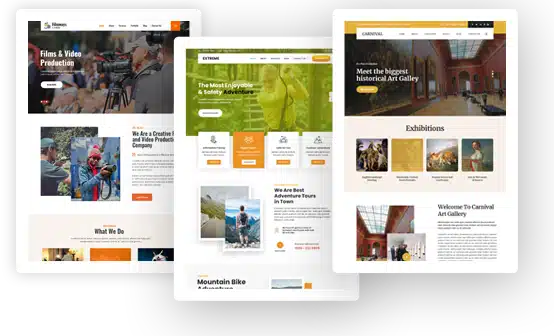
How to Choose the Right WordPress Theme for Your Business Website

Choosing which WordPress theme to go with is a primary decision as you build out your business website. A theme does so much more than just determine how your site looks; it also plays a role in performance, user experience, SEO, and even conversion rates. Out of the thousands of options available that can make this process feel overwhelming. But by zeroing in on a few key issues, you can confidently pick a theme, which in turn will support your business goals.
Understand Your Business Needs First
Before jumping into development, it is important to define what your site’s goal is. A small local business, such as professional packing services, will have different needs than an online store before a business portfolio.
Start through asking yourself:
- What does my site do?
- Do I require a blog, booking system, or eCommerce features?
- How often will I update content?
When you start by defining what you need it is easier to see which themes fit and which do not.
Focus on Simplicity and Clean Design
Many new users tend to choose very complex themes, which in turn include too many animations, colors, and layout options. At first these may look very appealing, but in the end they end up slowing down the site and also confusing the visitors.
A clean and uncluttered design is what usually works best for business websites. It puts the focus on your content, services, and call-to-action buttons, which in turn reduces distraction. A good theme choice should support your message, rather than take the stage.
Ensure Mobile Responsiveness
Today it is reported that a high share of internet traffic is from mobile devices, which in turn means mobile responsiveness is a key element to use in a WordPress theme.
A responsive theme changes to suit different screen sizes, which include smartphones and tablets. Before you choose a theme, always take the time to preview it on many devices or use demo versions to test mobile compatibility.
If a theme is not fully responsive, that in turn will hurt user experience and search engine rankings.
Check Speed and Performance Optimization
Website speed is a key element of user engagement and SEO. Slow loading times see users go elsewhere, which in turn loses us potential customers.
Not all themes are created equal. Some have large code bases and unneeded features which in turn slow performance. Go for themes that are lightweight and are written in clean code.
Also try out the theme demos with speed testing tools which will give you an idea of performance before you decide.
Look for SEO-Friendly Structure
A properly coded WordPress theme will greatly improve your search engine visibility. SEO-friendly themes follow best practices like proper heading use, clean HTML code, and fast load times.
Plugins do play a role in SEO, but at the base of your website is its theme. A poor code in your theme will limit your SEO, which in turn will hurt your content’s performance.
Compatibility with Essential Plugins
Most business sites commonly use plugins, which include contact forms, page builders, SEO tools, and security features.
Before you choose a theme, make sure it works with popular plugins, which:
- WooCommerce (for online stores)
- Elementor or Gutenberg (for page building)
- Yoast SEO or Rank Math (for optimization) The primary SEO tool of choice is either Yoast or Rank Math for optimization.
- Plugin flexibility and scale of your website into the future.
Customization Options Matter
Every business has different branding needs. We’ve made it easy for you to change colors, fonts, layouts, and headers with no advanced coding required.
A good WordPress theme is one that presents a balance between predesigned templates and flexible customization options. Too many rules in design choices hamper creativity, while too many variables may confuse them.
Check Regular Updates and Support
A theme choice for WordPress is a long-term decision that includes continuous updates for security and compatibility with the latest WordPress version.
Always go for themes for which the developers are putting out updates. It is also important to ensure there is active support in case technical issues arise or help is required with setup.
Over time old themes may present security issues and problems with compatibility.
Read Reviews and Real User Feedback
Before you finalize a theme, take the time to read user reviews and ratings. Actual user feedback brings to light practical issues that may not be apparent in demos.
Look for comments about: Look at these:.
- Ease of use
- Performance
- Customer support
- Bug issues
This will help you make a better decision that is based on more info than just a look.
Free vs. Premium Themes
WordPress has free and premium themes. Free themes are great for beginners which is true, but they do have limited features and support.
Premium themes also have better customization options, performance tuning, and dedicated support. For business sites, which is a large play, we recommend you go for a premium theme, which will pay off in the long term.
Final Thoughts
Picking out a WordPress theme is a balance between look, performance, and function. While a pretty theme is great, that is not enough if it slows down your site or doesn’t give you the customization you want.
By putting focus on speed, SEO friendliness, and customizability, a theme can be selected that looks great and also supports business growth.
A fine-tuned WordPress theme is the base of your online presence, which in turn helps you to build credibility, attract visitors, and turn them into customers.
In many service-based businesses, the website also plays a key role in helping users Get a quote quickly, making it easier to turn visitors into leads and inquiries.
