

How Small Businesses Can Grow Online
If you’ve already taken the first steps to build an online business, you know it takes consistent effort, planning, and smart decision-making to reach a stage where it generates steady income. The online market is highly competitive, with new businesses entering almost every category.
In fact, studies suggest that around 90% of eCommerce businesses fail within their first 120 days. This highlights how difficult it can be to stand out and sustain growth in the early stages.
To survive and grow, businesses need to offer products or services that meet real customer needs while also building visibility in a crowded market where many potential customers may not even know they exist.
If you’ve made it past the initial phase and are now looking to scale, this article outlines six practical strategies to help you grow your online business.
8 Practical Tips to Grow Your Small Business Online in 2026
Growing a small business online in 2026 is less about trying everything and more about focusing on what actually helps you reach and retain customers.
With increasing competition and changing customer expectations, businesses need clear priorities and consistent execution. The following tips cover key areas to help you build visibility, connect with your audience, and achieve steady growth over time.
1. Build an optimized website
Your website is often the first place people interact with your business online. Without one, you risk losing potential customers. But simply having a website is not enough—it should be easy to find, visually clear, and simple to use.
Steps to improve your website:
- Use a clean, mobile-friendly design: A large share of web traffic now comes from mobile devices, so your site should adapt smoothly to different screen sizes.
- Improve load speed: Slow pages can lead visitors to leave quickly. Tools like Google PageSpeed Insights can help identify and fix speed issues.
- Add clear calls to action (CTAs) to guide visitors to the next step, using prompts like “Book a consultation” or “Shop now.”
- Focus on search visibility: Use relevant keywords throughout your pages, blog posts, and descriptions so your site appears in search results when people look for services like yours.
A well-structured website makes it easier for visitors to understand your offering and take action.
For businesses looking to improve performance and scalability, working with an experienced webflow agency can help ensure the website is built with both design and SEO in mind.
2. Leverage social media platforms
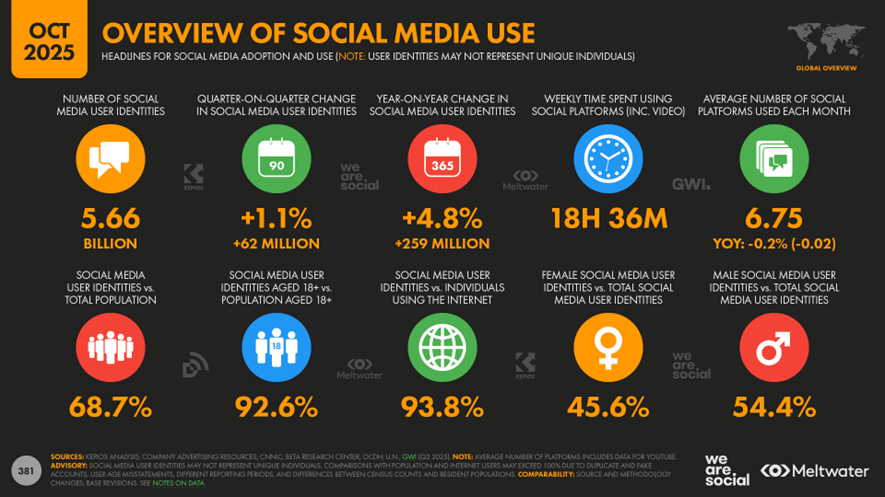
As of early 2026, there are 5+ billion active social media user identities worldwide.
Social media is more than casual posts; it has become an important channel for businesses to connect with their audience, build trust, and stay visible. Platforms like Facebook, Instagram, LinkedIn, and TikTok offer different ways to reach and engage with customers.
How to use social media well:
- Choose the right platforms: Focus on where your audience spends time. For example, Instagram works well for visual content, while LinkedIn is better suited for B2B services.
- Post consistently: Regular updates help keep your business visible. A simple content calendar can help you stay organized. Creating content regularly can feel overwhelming, especially for small teams.
- Engage with your audience: Reply to comments and messages. Direct interaction helps build stronger relationships.
- Use paid ads: Even a small budget on platforms like Facebook or Instagram can help you reach a larger audience, especially for local promotions.
- Analyze social media performance with AI: For instant deep insights into your results, you can automatically connect your Facebook Ads data to Claude, as well as any other platform.
3. Claim and optimize your Google Business profile
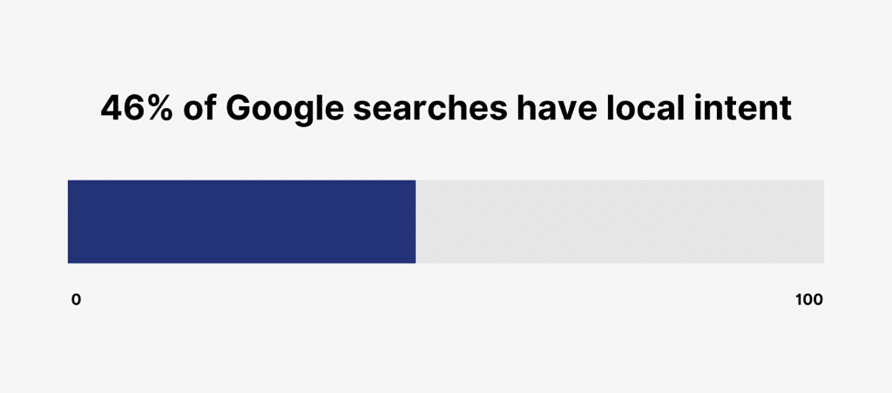
Nearly 46% of all Google searches have local intent.
For local businesses, having a presence on Google Business Profile is essential. It helps your business appear in local search results and on Google Maps, making it easier for customers to find you, whether through content marketing, email outreach, or referral programs powered by tools like ReferralCandy.
This is especially important for service-based businesses, such as cleaning services, where customers often search for nearby providers with immediate availability. A well-optimized profile helps such businesses appear in local searches when users look for terms like “home cleaning near me” or “office cleaning services.
Steps to optimize your profile:
- Keep information accurate: Ensure your business name, address, phone number, and hours are always up to date.
- Add photos: Images of your products, services, or location can make your listing more inviting.
- Encourage customer reviews: Positive feedback helps build trust and influences new customers.
- Use local keywords: Include location-specific terms (for example, “best bakery in [city]”) to improve visibility in local searches.
A well-maintained profile helps your business stand out when nearby customers are searching for what you offer.
4. Implement content marketing
The idea that “content is king” may sound familiar, but it still holds true. Creating useful, relevant content helps position your business as a trusted source and attract more people to your website.
Ways to get started:
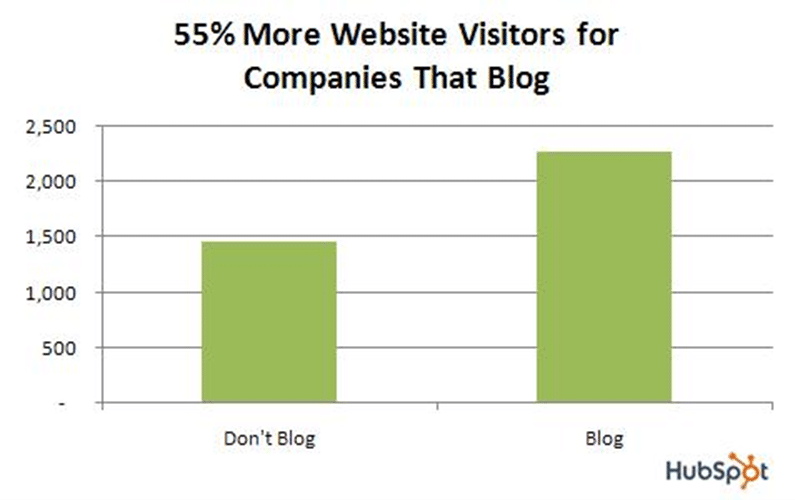
- Write blogs: Focus on topics that solve real customer problems. For example, a local café could share a guide like “How to brew the perfect coffee at home.” Businesses that maintain a blog get an average of 55% more website visitors than those that do not.

- Create video content: Platforms like YouTube can help you reach a wider audience. Tutorials, product demos, or behind-the-scenes clips tend to work well.
- Offer free resources: eBooks, guides, or templates can provide value while also helping you collect email leads.
- Guest posting: Partner with other blogs or businesses in your space to reach new audiences and build credibility.
Consistent content helps build trust over time and keeps your brand visible to potential customers.
5. Use email marketing
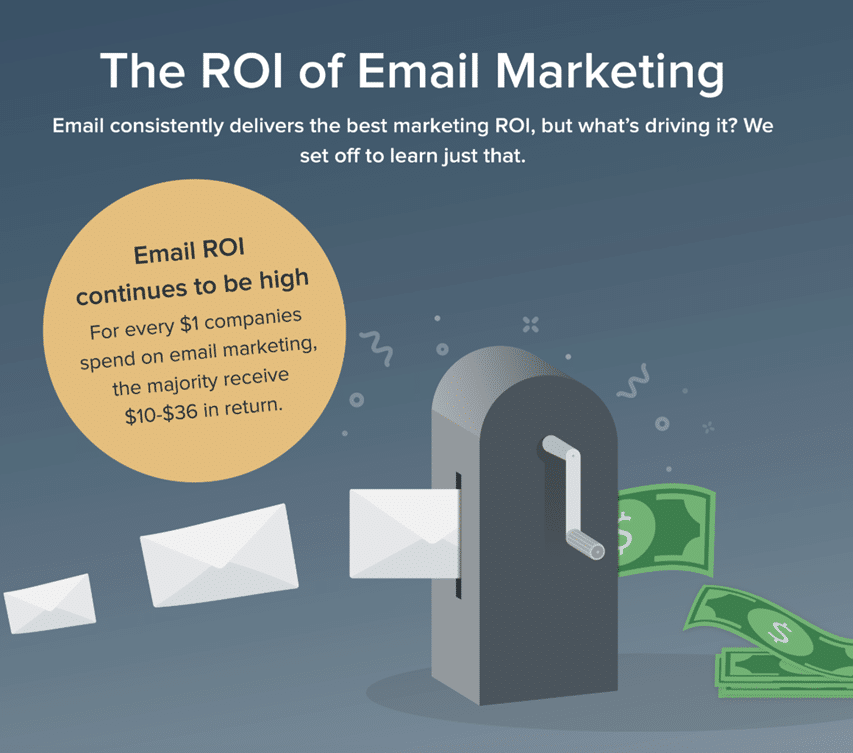
Email marketing delivers an average return of $10–$26 for every $1 spent.
Email marketing gives you a direct way to stay in touch with your audience. With the right approach, it can help nurture leads, introduce new products, and keep customers coming back. To make this process more efficient, many businesses use automation tools, including contact form automation, to capture inquiries and trigger follow-up outreach sequences without manual effort.
Best practices to follow:
- Segment your audience: Group subscribers by their interests or behavior to send more relevant messages.
- Provide value: Share useful content, exclusive offers, or updates that make your emails worth opening.
- Write clear subject lines: Keep them short and engaging so people are more likely to open your emails.
- Automate where possible: Tools like Mailchimp or ConvertKit allow you to schedule campaigns and set up automated follow-ups.
A consistent email strategy helps you stay connected with your audience and build long-term relationships.
6. Collaborate with influencers
Around 69% of consumers trust influencer recommendations more than brands.
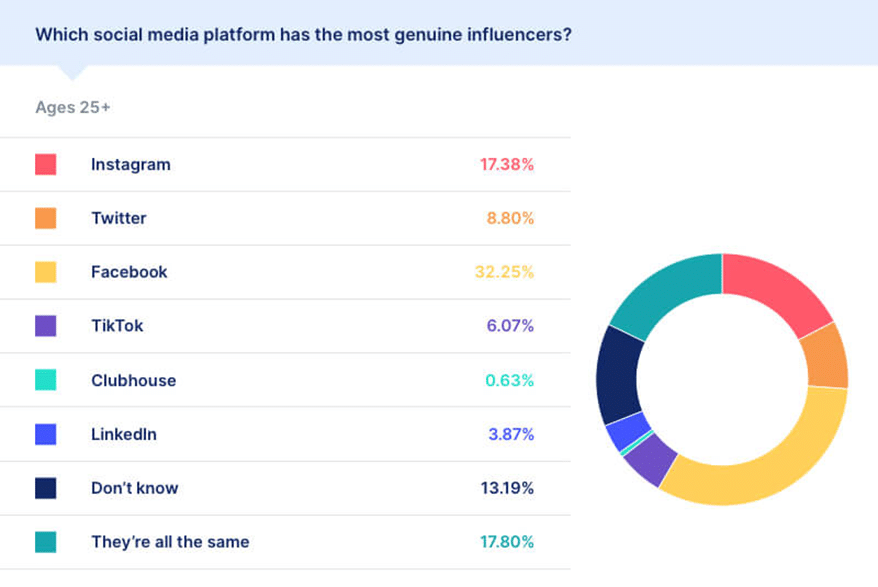
Influencer marketing is not limited to large brands. Small businesses can also benefit by working with niche creators who have smaller but more engaged audiences.
How to approach it:
- Work with micro-influencers: Creators with around 5,000–50,000 followers often have closer relationships with their audience, which can lead to better engagement.
- Prioritize alignment: Choose influencers whose content, tone, and values match your brand. This helps promotions feel more natural and credible.
- Run simple campaigns: Product reviews, giveaways, or limited-time discount codes are common ways to introduce your product to a new audience.
When done thoughtfully, influencer collaborations can help you reach the right audience without large marketing budgets.
7. Expand your team and resources
As your business grows, your existing team and tools may start to feel stretched. Adding the right people and systems can help you handle more work, improve customer experience, and take on new opportunities without overloading your team.
Bringing in specialized talent can make a noticeable difference. Hiring people for focused roles, such as marketing, content, or customer support, helps improve the quality of work while giving you more time to focus on planning and direction.
To support this, many businesses use online training software to onboard new employees faster and ensure everyone follows consistent processes as the team grows.
Some small businesses also use employee onboarding videos to speed up training, explain processes more clearly, and help new hires become productive faster.
At the same time, it’s important to invest in the right tools and technology. Systems like CRM platforms, marketing automation tools, and inventory management software can help organize work and reduce manual effort.
Tools like CRM platforms, marketing automation systems, and inventory management software help organize work and reduce manual effort. For businesses with multiple employees or shift-based operations, employee scheduling tools like Homebase can simplify planning work hours, reduce conflicts, and ensure better coverage during peak times.
Many businesses are also exploring AI-based tools to handle repetitive tasks and support decision-making with better insights. 91% of SMBs (small and medium businesses) with AI say it boosts their revenue.
One area where this shift is particularly visible is agentic customer service.
When you thoughtfully expand both your team and your resources, it becomes easier to manage growth without putting unnecessary pressure on your existing setup.
8. Monitor analytics and adjust strategies
Sustainable growth comes from understanding what works and making changes based on real data. Tracking performance helps you focus your efforts where they matter most.
Tools to track performance:
- Google Analytics: Helps you understand website traffic, user behavior, and audience demographics.
- Social media insights: Built-in platform analytics show how your content is performing in terms of reach and engagement.
- Email marketing analytics: Track open rates, click-through rates, and conversions to measure campaign performance.
Use these insights to guide your decisions. If one channel is underperforming, shift your focus to areas that show better results—whether that’s email, search, or another platform. Regular adjustments help you stay aligned with what your audience responds to.
Conclusion
Growing an online business doesn’t come from one big move—it comes from getting the basics right and staying consistent over time. A clear website, steady visibility, useful content, and direct communication with your audience all work together to build momentum.
Not every strategy will show results immediately, and not every channel will work the same way for every business. What matters is paying attention to what your audience responds to and adjusting your approach accordingly.
As your business grows, the focus should shift from merely being present online to building a system that consistently attracts, engages, and retains customers. Small improvements, made regularly, are what lead to steady and sustainable growth.
