

7 Questions a Crane Accident Attorney Asks After a Serious Jobsite Injury
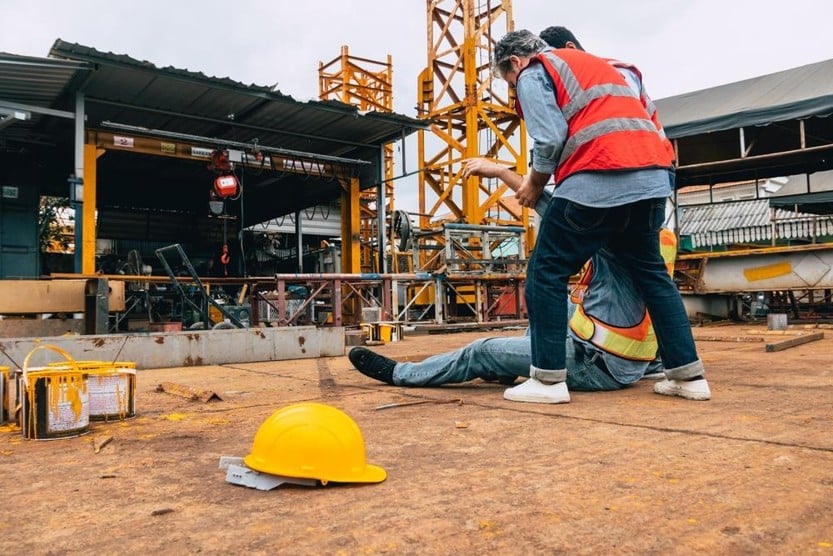
A crane accident can leave a worksite full of questions, but answers often come from simple details. Who gave the instructions? Was the load handled correctly? Had the equipment shown warning signs? These questions matter because a serious injury often isn’t caused by just one mistake. A crane accident can happen because several things went wrong along the way.
A crane accident attorney looks beyond the accident itself to understand what happened beforehand. Were workers properly trained? Was the job planned safely? Was the equipment kept in good condition? And did supervisors provide the guidance workers needed?
These answers matter. They can point to what happened, who may be responsible, and what to do from here.
1. What Was the Work Plan Before the Crane Moved?
A careful investigation starts before the crane lifted anything. The attorney may ask workers to describe the task, expected load, and steps they were told to follow.
Questions may include:
- What was being lifted or moved?
- How heavy was the load?
- Where was the load supposed to go?
- Who planned the lift?
- Were workers given clear instructions?
A lift can go wrong because of poor planning, confusing directions, or site conditions. The work plan helps separate an unavoidable problem from an avoidable one.
2. What Was Known About the Crane’s Condition?
A worn part, damaged cable, faulty control, or maintenance problem may affect how safely a crane operates.
An investigation may examine:
- Inspection and maintenance records
- Repair history
- Reported mechanical problems
- Pre-use inspection practices
- Parts that may have been replaced or ignored
Workers may have noticed jerky movement, strange sounds, leaks, or other signs. Those details can matter if a problem was reported before the injury.
3. Who Had Control of the Lift?
Crane work often involves several people, so identifying each role is important. The operator may control the machine, while a signal person, supervisor, or other worker directs parts of the operation.
The investigation may ask who:
- Operated the crane
- Directed the load
- Gave signals
- Supervised the task
- Had authority to stop unsafe work
Training and experience may also be reviewed. An accident can involve poor communication, an incorrect signal, or instructions that were not understood.
4. Could the Jobsite Itself Have Made the Lift More Dangerous?
The crane isn’t the only factor. Sometimes what was happening around it also matters. The conditions around the crane may have added to the danger. A crowded work area, uneven ground, poor visibility, bad weather, or workers standing too close could have affected the lift.
Looking closely at the jobsite can help show what happened. Putting these details together can give a clearer picture of how the accident occurred. The review also considers changing conditions. A safe plan may become unsafe if materials are moved, the ground shifts, or another crew enters the area.
5. Were Workers Given Clear Safety Instructions?
Safety rules can actually help workers if they understand and follow them. When a serious injury occurs at work place question like whether proper instructions were given to workers or whether supervisors have properly enforced the arise.
The investigation may focus on:
- Training provided to workers
- Safety meetings and instructions
- Required protective equipment
- Load limits and lifting procedures
- Communication between workers
It is also useful to ask whether workers were encouraged to report hazards. If someone raised a concern and work continued, that detail may help explain the accident.
6. What Did Coworkers Notice Before and After the Injury?
Nearby workers may remember important details that were left out of official reports. One worker may remember seeing a damaged part, while another may remember a supervisor giving different instructions. Their memories can help piece together what happened and show what took place before and after the accident. Workers should simply describe what they personally saw.
7. Which Parties Had Responsibilities Connected to the Work?
A crane accident may involve several businesses or individuals. The injured worker’s employer may not be the only party whose actions need review.
Depending on the circumstances, questions may involve the:
- Employer
- General contractor
- Subcontractor
- Crane owner
- Equipment maintenance company
- Site supervisor
The goal is not to blame someone without facts. The goal is to understand who was responsible for the work and safety decisions. If someone failed to act carefully, these details may help show how that contributed to the injury. A crane accident attorney can use the answers to see whether another party may be legally responsible.
From Questions to a Clearer Picture
Good questions do more than fill gaps in an accident report. They connect details and show how a jobsite was managed. A missed inspection, confusing signal, ignored warning, or unsafe condition might not seem important on its own. But when you look at the full timeline, these details help show what led to an accident.
After an injury, try to keep track of the important details:
- Write down what you remember.
- Keep your paperwork safe.
- Follow your medical instructions and track your treatment.
- Save photos, messages, and other jobsite details.
These simple steps can help you to remember what happened and keep your records in order.
Focus on the Details
There may be more than one reason behind a serious crane injury. Looking at how the work was planned, what equipment was used, who was involved, and what the jobsite was like can help explain what led to the accident.
These details act as evidence and can help an injured worker see what went wrong and help to take possible next steps. A crane accident attorney can also help by asking the right questions before important evidence disappears.
