

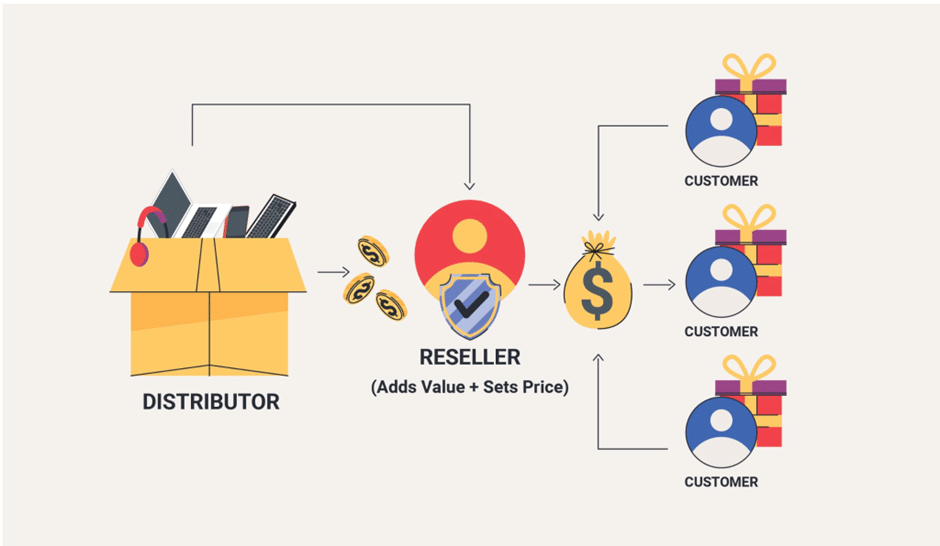
Digital resellers are transforming the software industry, having a fundamental impact on how it has always been done because they are changing the way organizations buy software licenses. In contrast to the traditional vendor-direct model, the digital resellers feature competitive prices, flexibility, and access which are transforming the IT environment radically. This change is a paradigm shift in software distribution, and it is a shift that will benefit both the enterprise customer, who wants to optimize cost, and the small-to-medium customer, who wants to access important business tools at an affordable price.

The Emergence of Secondary Markets and Cost-Optimization

Legitimization and growth of secondary software markets are among the biggest shifts that digital resellers are causing to IT market. Digital resellers have provided affordable alternatives to costly new licenses by reselling old software licenses, which were originally obtained through legal means by the end-user, especially following landmark decisions by the European Court of Justice that software license resale was indeed legal. Organizations are gradually realizing the fact that they can save on IT budgeting by buying used Microsoft licenses, windows operating systems, office programs, and server software at 50-70% of retail prices. This price-effectiveness is turning out to be vital as business organizations grapple over cloud sprawl, exaggerated SaaS costs and to optimize restricted technology budgets.

The financial effect is overwhelming. Studies have shown that about 30 billion dollars are wasted by organizations through software licenses that are not used up annually. Digital resellers work on the principle of correcting this inefficiency by establishing a system through which firms with excess licenses can sell them legally to produce revenue and also allow other organizations to obtain the required software at affordable prices. To businesses that require stable offerings with pre-used software licenses available at bona fide discounts, websites such as https://www.wiresoft.it/ are representative of the reseller model of today which allows enterprise-level software to be made available to organizations of any size.
Democratization and Availability of the Market
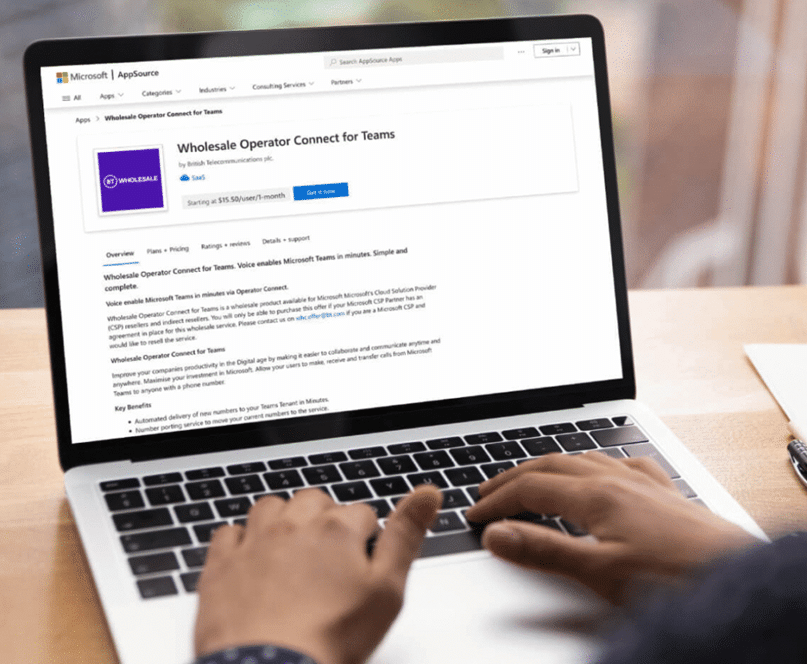
Digital resellers democratize access into the high-end software by removing obstacles to the adoption by small and medium-sized enterprises. Earlier budget restraint usually caused SMBs to put off major software updates or choose a lower quality option. Distribution models of resellers that operate on the digital-first model currently allow such organizations to obtain the same software utilized by enterprises at a fraction of the expenses. Such accessibility change increases the total user base of the software and brings about competitive advantages in the case of smaller firms that were previously unable to afford the required tools.

Breaking the Traditional Vendor Relationships
The revolution of resellers is essentially disrupting the manner in which software sellers distribute products. In 2023, B2B software marketplaces increased revenues 90 percent annually- none of the other procurement channels did the same. Now overarching IT vendors and cloud hyperscalers are integrating reseller functionality directly into their environments with digital marketplaces. This move compels old players to rethink about direct-sales approach and learn to live in a world where buyers are more inclined to marketplace models that are characterized by transparency, competitive prices, and easy-to-use procurement.
Sustainability and Asset Optimization
Digital resellers also have the benefit of creating sustainable environmental benefit through long-software lifecycle value. The resale markets do not make perpetual licenses useless when organisations upgrade and thus always have a use. This circular economy model is in line with the increasing corporate sustainability responsibilities and offers financial incentive to both sellers and purchasers.
Conclusion
The resellers of digital software are basically transforming the IT market by establishing easy access to high quality software at affordable rates. These resellers are democratizing access to enterprise-grade tools and empowering organizations to optimize budgets through legal secondary markets, transparent pricing, and digital-first distribution channels. With the ongoing transformation of software procurement as a traditional vendor development model to marketplace-based solution, digital resellers will continue to be the core concept in the process of how enterprise organizations are developing and implementing in their acquisition and deployment of important technology. The advantages of the transformation include better accessibility to enterprises, reduced costs, and efficient resource allocation to SMBs and the digital ecosystem in general.