

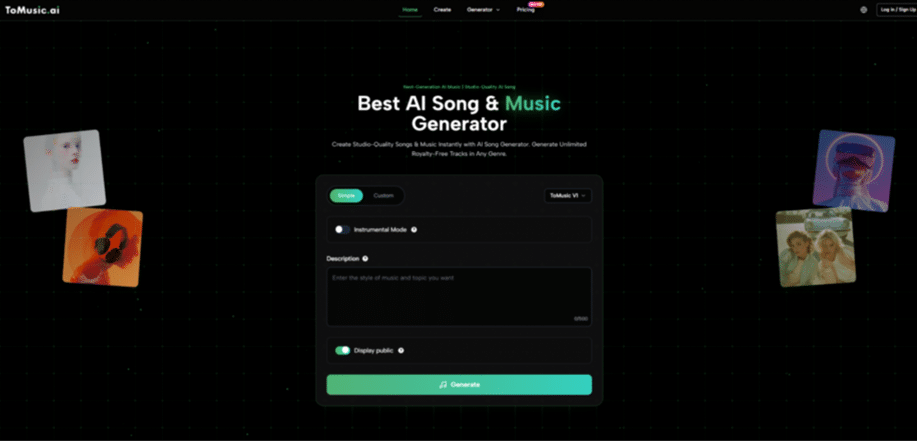
In the modern digital landscape, the sheer volume of content required to maintain brand visibility creates a significant strain on traditional production resources. Marketing agencies and corporate communication teams often find themselves trapped between the high costs of custom audio commissions and the generic, repetitive nature of royalty-free music libraries. This lack of sonic distinction can lead to brand dilution, as audiences become desensitized to the same stock tracks appearing across thousands of different advertisements and social media campaigns. To solve this challenge of scale and identity, the AI Music Generator enables organizations to generate original, studio-quality music that aligns perfectly with their specific brand voice. By utilizing advanced neural synthesis, the platform allows for the creation of unique auditory assets that are both royalty-free and instantly adaptable to various media formats.

Revolutionizing Corporate Sonic Branding Through Intelligent Generative Sound Design
The concept of sonic branding has traditionally been reserved for large enterprises with the budget to hire specialized audio consultants and composers. However, the integration of artificial intelligence into the music production workflow has democratized this capability for businesses of all sizes. Instead of relying on pre-existing tracks that may not fully capture the intended emotional resonance, companies can now design their own musical signatures from the ground up. This shift allows for a much tighter integration between visual storytelling and the accompanying audio, ensuring that every piece of content reinforces a consistent brand message.
In my observation, the transition from searching for music to generating it represents a fundamental change in creative sovereignty. The ability to input specific keywords related to brand values—such as innovative, reliable, or energetic—and receive a unique musical composition in seconds is a powerful advantage. This process ensures that the audio is not just a background element but a strategic component of the overall communication strategy. As digital platforms continue to prioritize video content, the importance of having a distinct and recognizable sound will only continue to grow.
Evaluating Specialized Neural Engines For High Performance Marketing Content
The platform provides a suite of five distinct AI models, each optimized for different aspects of the musical creation process. For business users, understanding which model to use for a specific campaign is essential for maintaining a professional standard. In my tests, I have found that the choice of engine significantly impacts the structural depth and atmospheric quality of the final track, depending on whether the content is intended for a short advertisement or a long-form presentation.
Optimizing Strategic Audio Output Using Advanced Compositional Models
The Studio Pro model stands out as a particularly effective tool for professional-grade productions, supporting tracks up to eight minutes in length. This is ideal for corporate documentaries or instructional videos that require a consistent musical theme throughout. On the other hand, the Composer model is specifically designed for structural complexity, making it better suited for projects where the music needs to evolve and change alongside the narrative. By selecting the engine that matches the project’s technical requirements, creators can ensure that the audio maintains a high level of sophistication.
Refining Vocal Textures To Enhance Emotional Resonance In Advertisements
Beyond purely instrumental tracks, the ability to generate or input lyrics adds another layer of customization. The AI is capable of matching vocal styles to the selected genre with impressive accuracy, ensuring that the prosody and emotional delivery are consistent with the brand’s tone. Whether the project requires a soft, acoustic vocal for a localized social campaign or a high-energy pop vocal for a global product launch, the parameters can be adjusted to achieve the desired effect. This level of control is what makes generative audio a viable alternative to traditional studio recordings.
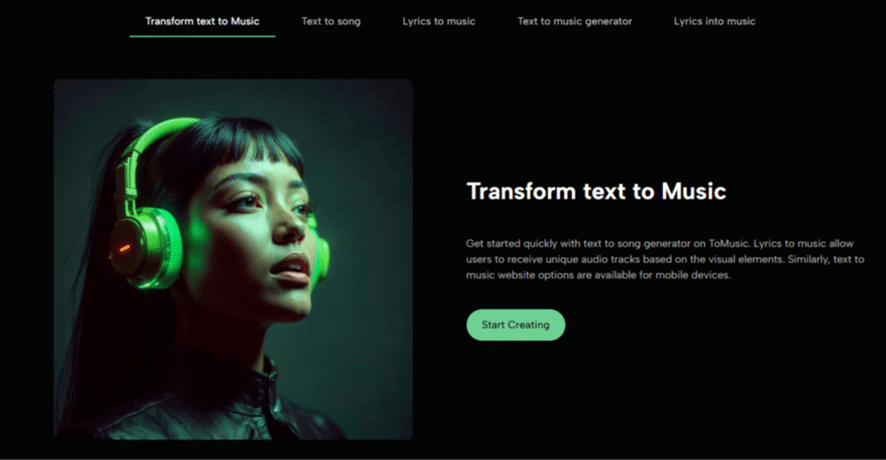

Comparative Technical Analysis Of Generative Audio Synthesis Frameworks
To assist in the selection process, it is useful to compare the core capabilities of the different models available on the platform. The following table highlights the primary functional differences that content creators should consider when planning their audio production strategy.
| Performance Variable | Ultimate Engine | Studio Pro Engine | Composer Engine | Classic Engine |
| Generation Velocity | Maximum Priority | Balanced Speed | High Precision | Standard Speed |
| Maximum Duration | Social Media Length | Up to 8 Minutes | Standard Length | Standard Length |
| Structural Depth | Moderate | High | Maximum | Moderate |
| Best Application | Rapid Ad Campaigns | Long Form Videos | Complex Songwriting | Traditional Media |
| Style Versatility | Very High | Specialized | Advanced | Reliable |
Harnessing Diverse Musical Genres For Global Brand Consistency
With over 150 styles and 30 moods to choose from, the platform allows brands to localize their audio content while maintaining a core identity. For example, a global brand might use the same melodic theme but adapt the style to match the musical preferences of different regional markets, such as using an electronic beat for a European audience and a traditional acoustic arrangement for a different demographic. This flexibility is a key benefit of using an AI-driven system, as it allows for rapid adaptation without the need for multiple independent commissions.
Implementing A Professional Production Workflow For Generative Music Assets
The operational process is designed to be straightforward, allowing even non-technical staff to produce high-quality audio results. Following these steps ensures that the generated assets meet the quality standards required for professional distribution.
- Inputting the Conceptual Framework: The user begins by providing a text description of the desired music. This prompt should ideally include the genre, the primary instruments, and the intended emotion. If vocals are required, the user can either provide original lyrics or use the system’s generator to create them based on a specific thematic direction.
- Selecting Performance Parameters: After defining the concept, the user chooses the appropriate AI model and selects from the extensive list of musical styles and moods. At this stage, the tempo is also defined—ranging from very slow to very fast—to ensure the rhythm of the track aligns with the pacing of the video or presentation.
- Processing and Content Archiving: Once the generation is triggered, the AI produces a unique audio file that can be previewed immediately. The user can then evaluate the track, review any synchronized lyrics, and save the final version to their personal library for inclusion in their creative projects.
Navigating Procedural Limitations and The Value of Iterative Refinement
While the efficiency of the AI is undeniable, it is important to remember that the output is only as good as the input. In my experience, if a prompt is too vague, the resulting track might not perfectly align with the intended vision. I have noticed that achieving a specific “vibe” often requires two or three iterations, adjusting the keywords or the selected mood each time. Furthermore, while the platform is highly capable of creating finished tracks, some users may find it beneficial to treat the AI-generated music as a foundation that can be further refined or layered in post-production.
Centralizing Audio Assets Within Cloud Based Creative Environments
The platform’s management system allows for the organized storage of all generated tracks, which is vital for teams working on multiple campaigns simultaneously. Having a centralized repository where all assets are tagged by style, mood, and prompt history makes it easier to maintain a consistent sound across a brand’s entire digital footprint. This capability reduces the time spent searching for previous files and ensures that successful musical formulas can be easily replicated or adapted for future use.
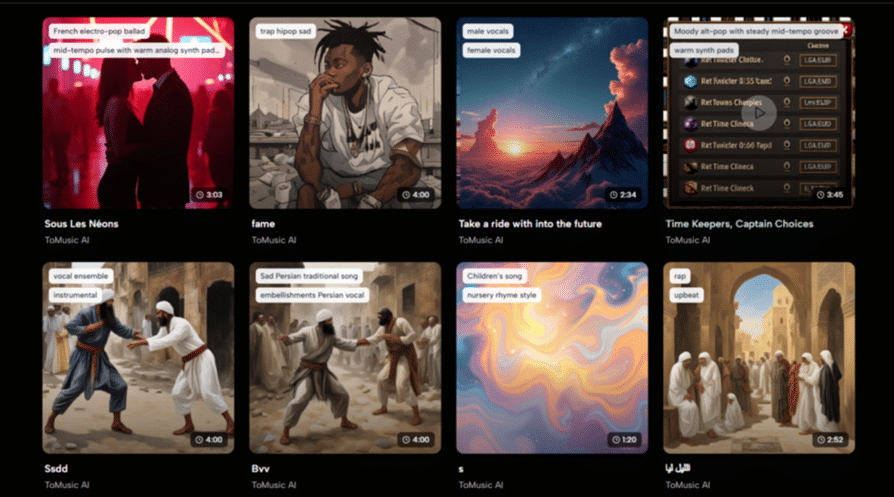

The Evolution Of Creative Collaboration In The Era Of Artificial Intelligence
The integration of generative tools into the creative process marks a new era of human-machine collaboration. It is no longer about the machine replacing the creator, but about the machine expanding the boundaries of what a single creator can achieve. By removing the technical and financial barriers to high-quality audio, tools like the AI Music Generator allow artists and marketers to focus more of their energy on the conceptual and strategic aspects of their work.
As we look toward the future, the ability to generate perfectly synced, high-fidelity audio on demand will become an essential part of the digital content creator’s toolkit. This technology does not just save time; it opens up new possibilities for storytelling that were previously out of reach for many. Whether it is a small business creating its first advertisement or a large corporation managing a complex global brand, the power of personalized audio is now accessible to everyone. Embracing these advancements is a necessary step for anyone looking to stay relevant in a digital world that is increasingly defined by immersive, high-quality sensory experiences.