

Coding isn’t just about knowing how to write high-quality applications. Many technical and soft skills are essential for a software developer’s career. Although you can find a job even without them, they give you a competitive advantage.
Working at an early-stage startup isn’t the same as working in big tech. Furthermore, freelancers’ experience is quite different from that of full-time developers.
Complementary skills are fundamental if you plan to be a freelance developer. This field requires negotiation, communication, and technical expertise in the related field. The need for software developers is constantly evolving, making this a competitive career choice.
Because modern software development spans multiple industries, developers often interact with domains such as clinical trials and research projects, biomedical informatics, and data-driven scientific projects, where informatics tools, data integration, and regulatory frameworks influence how software is built and deployed.
Early-stage developers don’t need to become domain experts, but understanding how software supports industries such as healthcare, research, and scientific data analysis helps them build more reliable and scalable systems.
The list should help you understand which skills can help you stand out among early-stage or junior developers.
Programming as a Career
Software development is one of the most attractive careers, mainly due to its high salaries, remote work opportunities, and diverse career paths. Plus, you can choose to work on anything from video games to web development.
If you are an entrepreneur, creating specialized software solutions for other companies is also a highly profitable B2B opportunity.
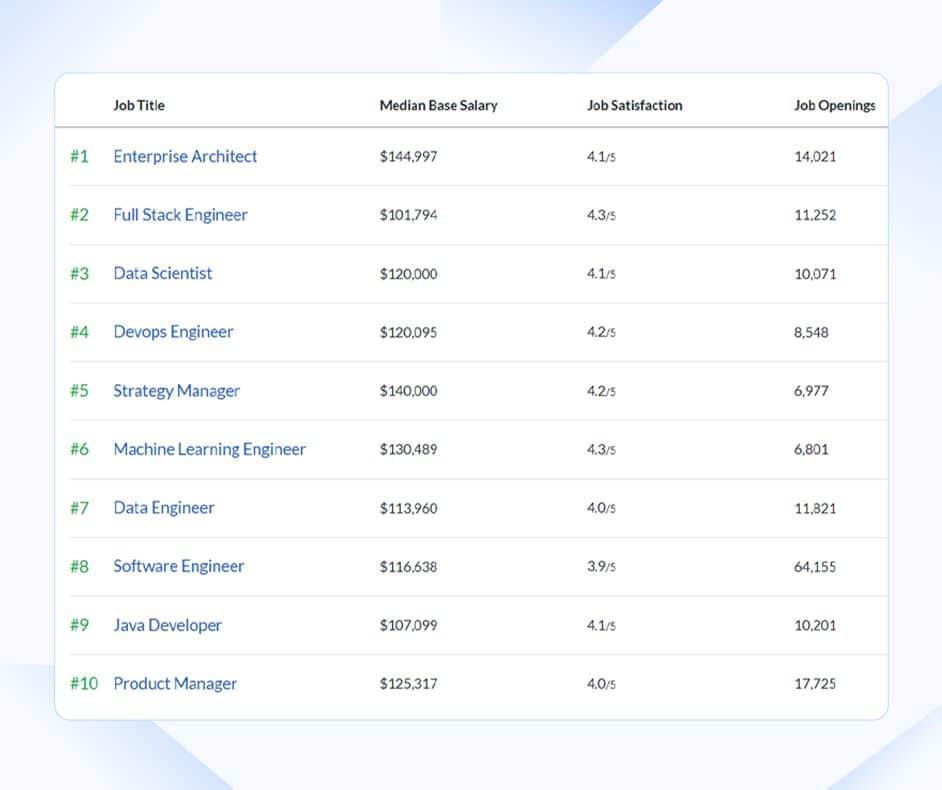
Given the advantages of a programming career, competition is quite challenging, especially for junior roles. Learning soft skills, staying consistent, and keeping up with market trends are essential to increasing your chances of completing the hiring process.

When you choose what type of developer you want to be, you can take a course and obtain a certification or go the traditional college route. Both of these paths have advantages and disadvantages.
To stand out without experience, you can work on building your online presence and publishing projects online or contributing to open-source software development communities.
1. Git and GitHub
Mastering Git and GitHub can help early-stage developers transition into more serious programming and projects. Git and GitHub are version control systems that enable programmers to manage codebases, collaborate with others, and contribute to open-source projects.
Git allows developers to track changes in their codebase, create branches for new features or fixes, and revert to earlier versions of the project if needed. GitHub is a web-based platform built around Git. It’s ideal for providing a cloud-based platform for project management.
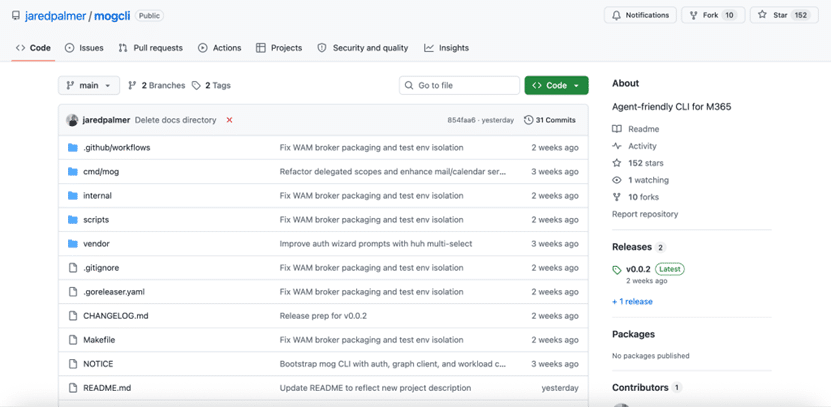
Many employers seek developers who understand Git, as it’s one of the most commonly used tools in modern software development workflows.

However, version control alone doesn’t prepare developers for how code behaves in real production environments.
Early-stage developers often focus purely on syntax and frameworks, but learning how code behaves in a real deployment environment is just as critical.
Working with managed WordPress hosting introduces beginners to performance tuning, version control, automated backups, staging environments, and security best practices, without overwhelming server administration. It bridges the gap between writing code and shipping reliable products, helping new developers understand how development, infrastructure, and user experience connect in a production-ready workflow.
For beginners, this highlights an important lesson: writing code is only one part of software development; understanding deployment, security, and system reliability is just as important.
2. Problem Solving
Problem-solving and software development always go hand in hand. One of the differences between a junior and a senior developer is their level of problem-solving skills. Seniors can grasp poorly defined problems and tackle them.
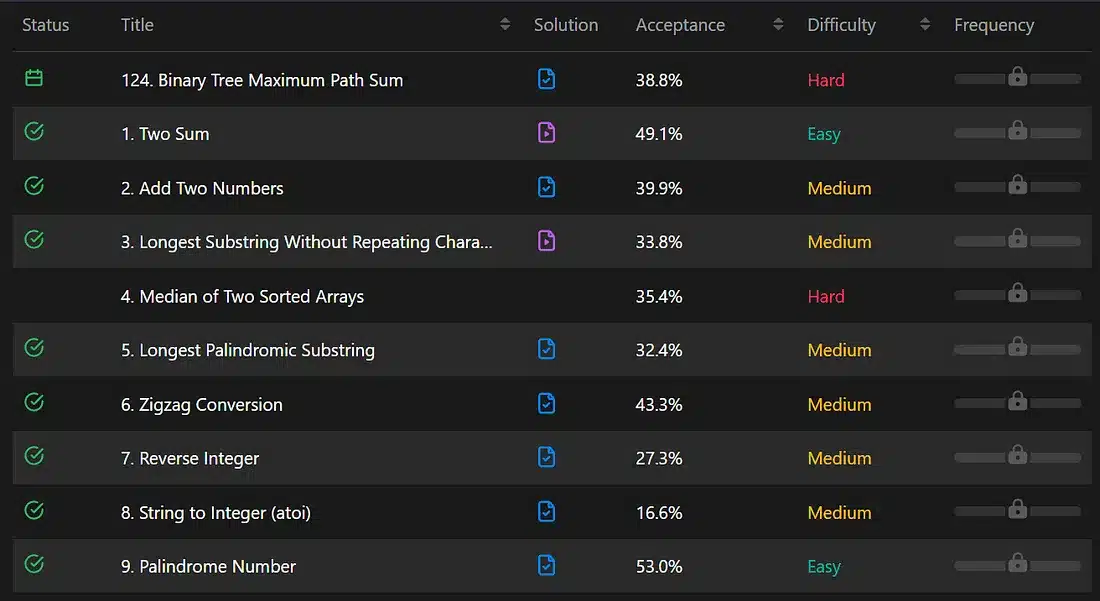
Continuously working to complete problem-solving tasks and to understand new algorithms and concepts are ways to advance in your career. Furthermore, juniors are expected to know how to solve common challenges early on.
In large data-driven environments, developers often work with clinical data, data processing pipelines, and high-throughput technologies that support scientific discovery. Tasks such as data visualization, data integration, and analytics platforms used in biomedical informatics require both strong problem-solving skills and familiarity with modern data workflows.

There are various ways to polish your problem-solving skills. You can stick to code or even grab a math textbook. However, the more you code, the more quickly you’ll find applicable solutions to problems in your work life.
3. Consistency in Learning
When you join a tech team as a junior developer, you aren’t expected to know everything. However, you’re highly encouraged to continue learning and to become more independent in completing your tasks.
Consistency is an excellent skill that helps you get hired and during the onboarding process. Experienced professionals working as managers or mentors have likely earned their place by adapting to new trends and learning from them.
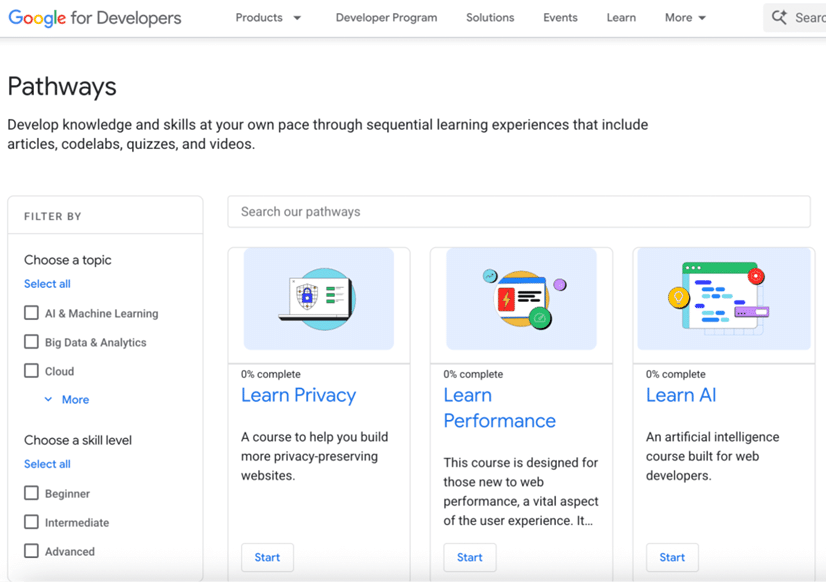
For web development, for example, you didn’t have to know more than HTML and CSS in the early 2000s. But imagine if someone stayed at the same level in the current landscape. It’s quite valuable to observe industry trends, attend seminars, and discuss them with other members of the software development community.

Developers working in research environments often collaborate with research personnel, peer review teams, and program directors to build systems that manage data sharing, regulatory compliance, and large-scale research datasets.
These projects may involve working with data management and sharing plans, participating in peer review processes, or collaborating with a scientific review group and program officials who oversee funding initiatives through cooperative agreements.
4. Communication
With the rise of remote work, we often need to pay more attention to effective communication. Communication skills can help you land a job or promotion and enhance your value as a team member.
Starting with the job-seeking process, knowing how to communicate with a recruiter can increase your chances of getting a job. The next crucial step is the interview, where communication skills shine through.
You can be the most brilliant developer who’s ever lived, but if you can’t show that in the interview, you won’t get a job.
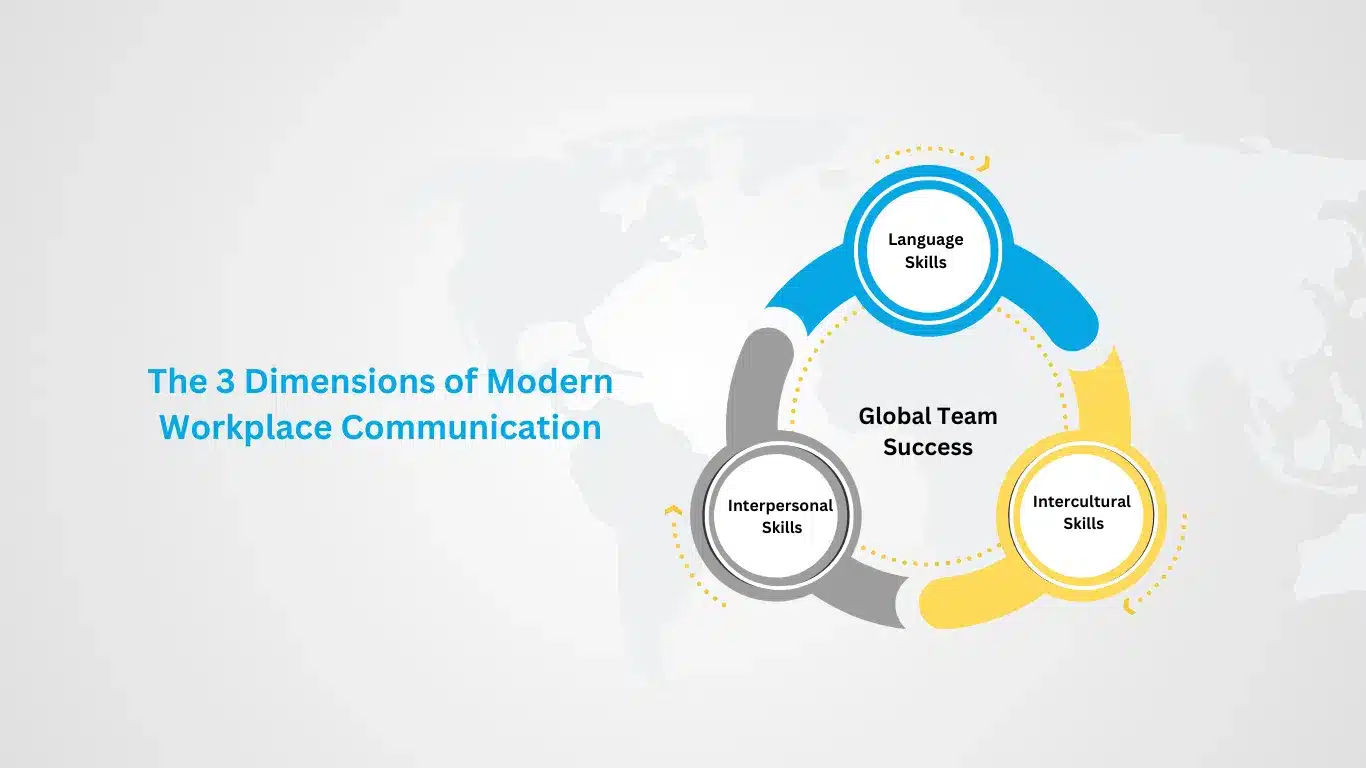
Once you get a job, the role of communication doesn’t fade. You should understand how to concisely and accurately describe your ideas or problems as a team member.

Communication also means understanding how different technical disciplines interact.
For early-stage developers, it’s not just about learning to code; they must also understand the importance of collaboration and integrating various skills.
One key concept that parallels this is the purple team in cybersecurity. Just as a beginner coder must learn both programming and debugging, they must learn about cybersecurity and understand offensive and defensive strategies.
Early developers can benefit from learning how different disciplines work together and collaborate across teams to create stronger, more resilient systems.
If you’re working remotely, collaboration and data exchange tools can be limiting, so you can opt for video calls or use the platforms to your advantage and create interactive explanations.
5. Basic Knowledge of Various Digital Skills
Digital skill sets are interconnected, as each skill builds upon the others. For example, learning web development isn’t just about coding. You’ll eventually learn about user experience and design to some degree.
Pairing your programming skills with the basics of marketing or design can help you develop a distinct skillset. Of course, you don’t need to learn 3D modeling if you’re a Java developer, but you should have a broader picture of the role and industry you’re working in.
These skills also become essential in startup environments, where speed, experimentation, and collaboration shape how products evolve.
Understanding areas like product-market fit, engineering culture, and early-stage startup dynamics, from seed rounds to later Series C growth, helps developers align their technical decisions with real business needs.
Strong engineering culture encourages developers to test ideas quickly, collaborate across teams, and move projects forward confidently — sometimes summarized in startup culture as the mindset to “ship it now!”
Developers may apply the same mindset across many industries. Software today powers everything from startup platforms to scientific systems used in clinical research, biomedical informatics, and large data-driven research projects.
Understanding how software development connects to real-world fields, such as healthcare, research, or digital products, helps early-stage developers design systems that are reliable, scalable, and ready for production environments.
Beyond understanding the industries software serves, developers must also learn how applications behave once they reach real users. Production environments require attention to performance, monitoring, debugging, and reliability.
Developers often rely on logging systems, performance monitoring tools, and automated testing to maintain stable applications. Learning how software behaves in production helps early-stage developers move beyond writing code and start building dependable systems.
Take an Advantage Over Your Competition With the Proper Skillset
Regardless of your current position, continuously expanding your skillset will give you immense opportunities. While nothing can replace an advanced understanding of computer languages, these skills will help you become irreplaceable.
Understanding how to leverage Git and GitHub can help you receive feedback for your code, while problem-solving skills can enhance your overall understanding of programming. Each of these must-have skills allows you to advance in a particular aspect of your career.
Becoming a skilled developer requires more than understanding programming languages. Developers who learn version control, problem-solving, communication, and real-world deployment practices can move faster from writing code to building useful products.
The sooner you start applying these skills to real projects, the faster you gain practical experience.
If you want to start building real projects, creating your own website or web application is one of the fastest ways to practice these skills. Platforms like WordPress make it easy to launch projects without spending weeks on infrastructure.
You can explore professionally designed, SEO-optimized WordPress themes from Grace Themes to quickly set up a responsive site, test your ideas, and start building real-world applications.